
Termite Inspection & WDI Reports in Hayden, IN
A closing date is on the calendar and the lender wants a wood-destroying insect report. Miller's performs termite and WDI inspections for home sales and refinancing in Hayden, North Vernon and Seymour, documenting what we find on the standard NPMA-33 form. Call (321) 496-4080.
- 5.0 ★ on Google · 35 reviews
- Family-owned for over 12 years
- Same-day help available
- Serving Hayden & Jennings County
- Fair, up-front pricing
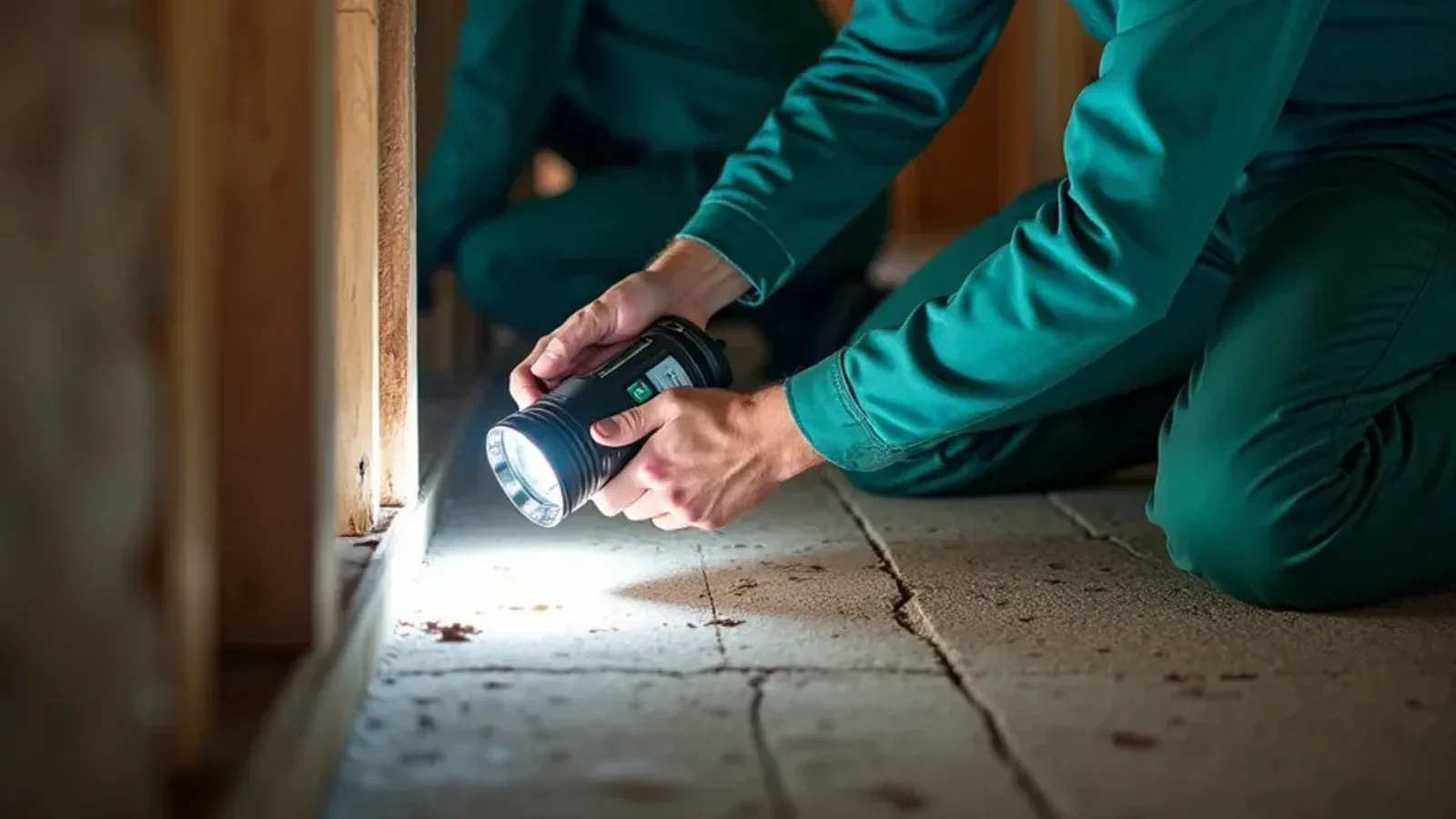
What goes into a WDI inspection
A wood-destroying insect inspection is a visual and physical review of the accessible parts of a structure for signs of termites, carpenter ants, carpenter bees and other wood-destroying organisms. The inspector looks for live insects, mud tubes, frass, damaged wood, swarmer wings and conditions that make an infestation likely.
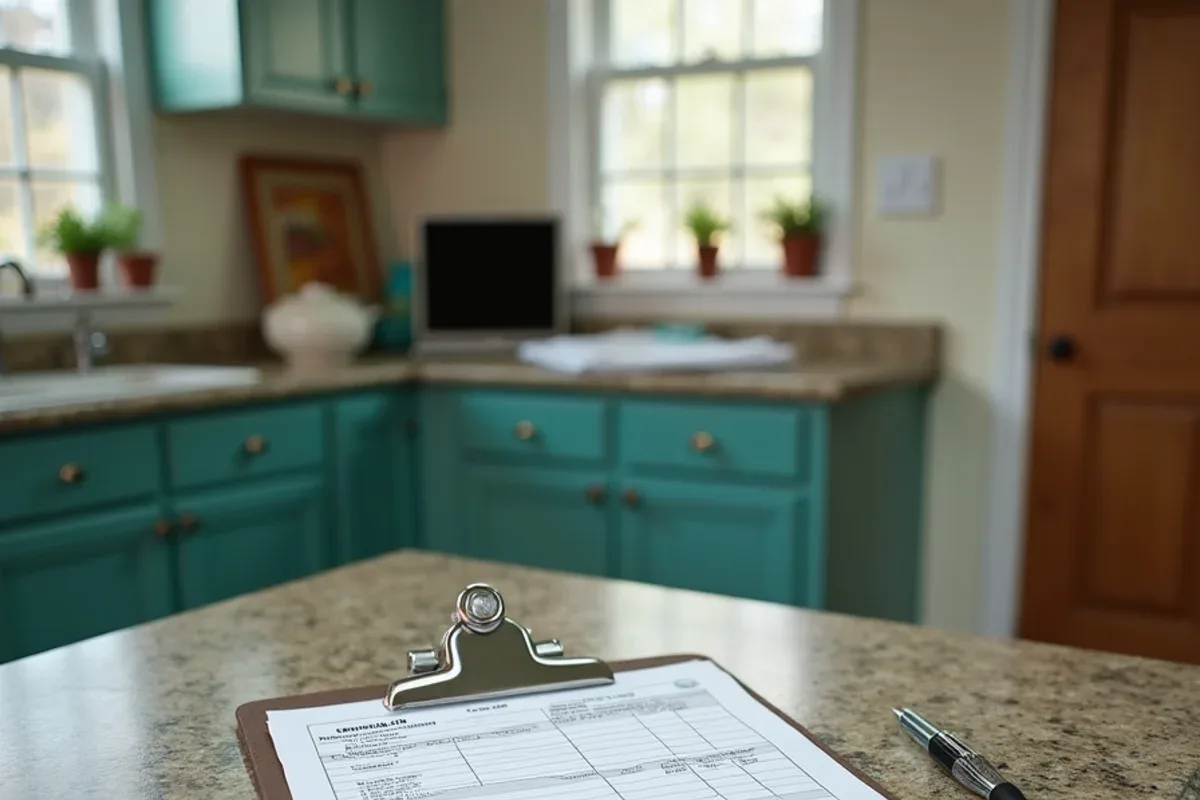
The findings are recorded on the NPMA-33 form, the industry-standard report that lenders, agents and buyers expect. It states what was inspected, what was found and what was not accessible, so everyone at the table is working from the same facts.
- Crawlspace, basement and sill plate inspection where accessible
- Exterior foundation, porches, steps and attached structures
- Interior check of window sills, baseboards, door frames and plumbing penetrations
- Probing and sounding of suspect wood for hidden damage
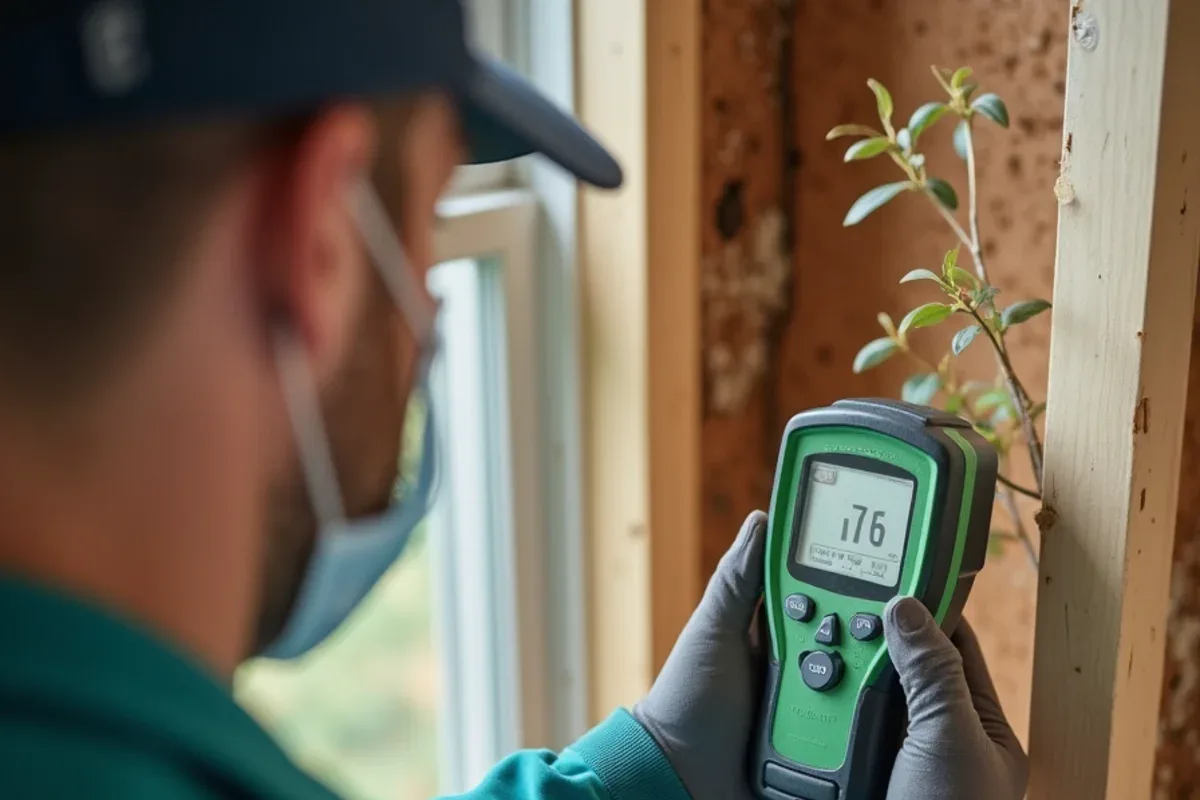
- Moisture readings where leaks or dampness raise the risk
- A written NPMA-33 report listing findings, limits and recommended action
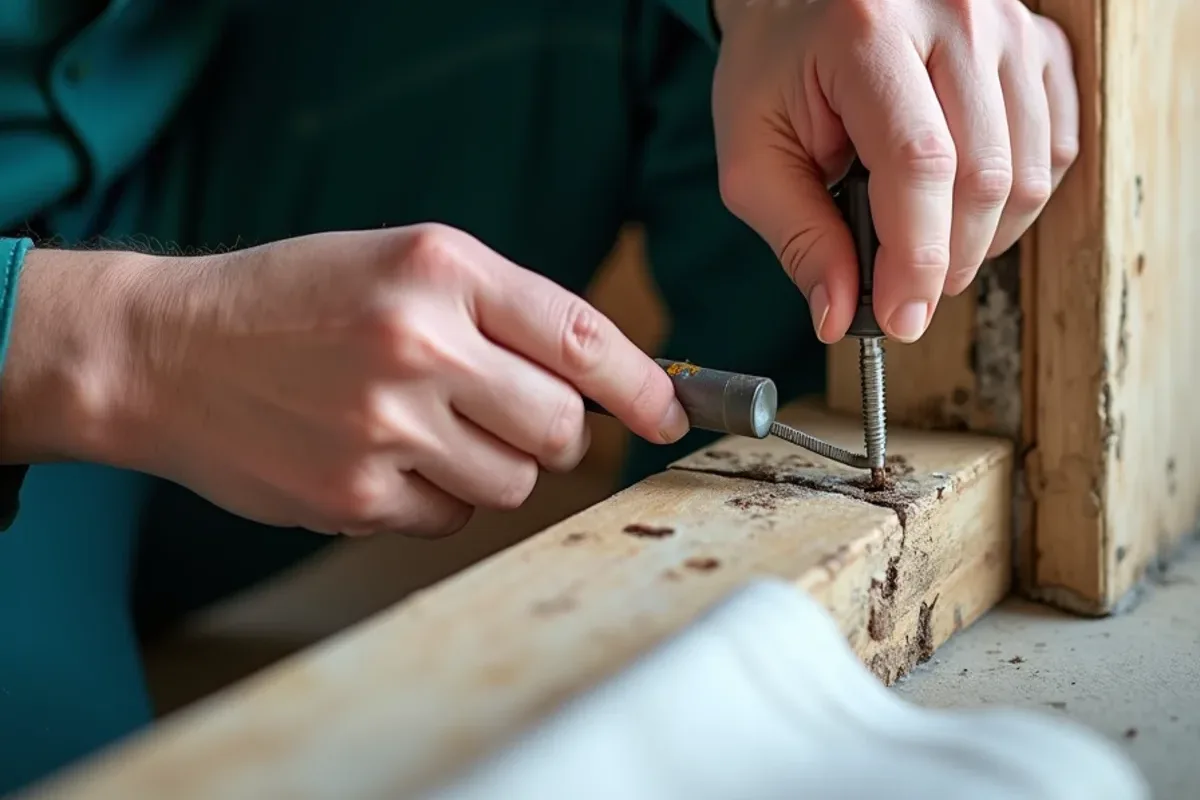
What the inspector is looking for
Subterranean termites are the main wood-destroying insect in Jennings County. They leave pencil-width mud tubes, blistered or hollow-sounding wood and sometimes drifts of wings near windows. Carpenter ants push out coarse shavings, and carpenter bees leave perfectly round holes in trim and decks.
A good inspector separates active infestation from old, inactive damage and from look-alike issues like water rot. Previous termite treatment, patched wood or stained framing also appear in the report so the buyer understands the history.
Older houses on stone or block foundations and crawlspaces tend to turn up more findings, especially near downtown North Vernon and the farmhouses around Scipio. Inspections are limited to what is visible and accessible, and the report says so plainly.
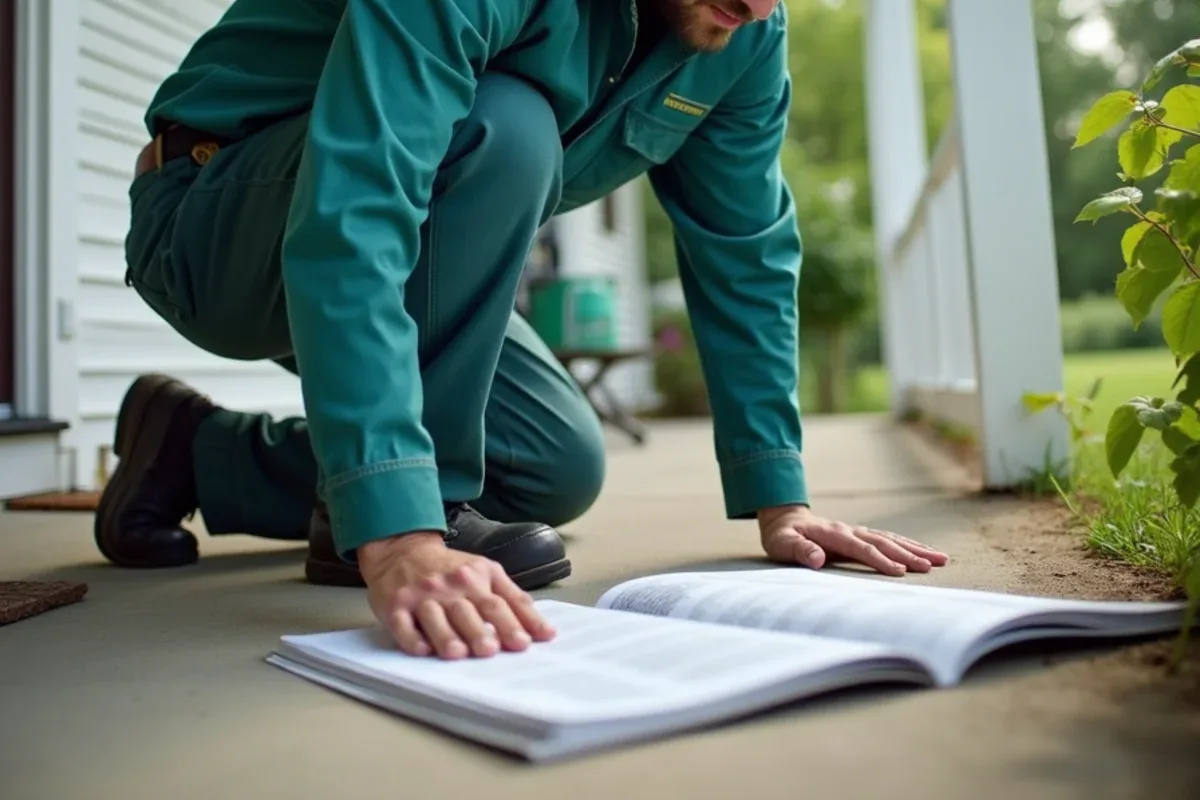
Inspection day and the report that follows
Booking and access
Call with the address, the closing date and who holds the keys. Occupied homes need clear access to the crawlspace hatch, attic and garage.
Exterior walk-around
The inspector checks the foundation, siding, porches, decks, fences and wood in contact with soil, and notes grade, gutters and drainage that raise risk.
Interior and crawlspace review
Inside, we look at window sills, door frames, baseboards and plumbing penetrations. Then we go under the house or into the basement, where most evidence is found.
Probing and moisture checks
Suspect wood is probed and sounded, and a moisture meter is used where dampness may be feeding an infestation.
Walk-through with you
When the buyer, seller or agent is present, the inspector explains what was seen and what it means, in plain terms and before the report is finalized.
NPMA-33 report delivered
The completed form is issued to the parties who need it, with notes on any treatment recommended and areas that could not be inspected.
Dealing with wdi inspection in Hayden or nearby?
Call for same-day help or a straight, up-front quote.
Pricing a termite inspection
Inspection pricing depends mainly on the size of the home, the type of foundation and how easy the crawlspace or basement is to reach. A small slab house takes less time than a large home with an attached garage, a walkout basement and a deep crawlspace.
Extra structures like detached garages, barns and workshops add time, and difficult access, such as a tight crawlspace or a blocked hatch, can slow the inspection. Rush timing for a tight closing may also affect the schedule.
Ask for the price when you call, and we will tell you what the number covers. If we find evidence of termites, a separate quote for treatment follows, explained on our termite control page, so you can weigh the repair against the sale.
Lenders, the NPMA-33 form and Indiana practice
Mortgage lenders, particularly on VA and FHA loans and in areas with known termite activity, commonly require a wood-destroying insect report before closing. Requirements vary by lender and loan type, so ask your loan officer or agent early. In Indiana, structural pest work is regulated by the Office of Indiana State Chemist.
The NPMA-33 form is a national standard published by the National Pest Management Association. Our guide to WDI inspections when selling an Indiana home covers how the timing works, and termites in Jennings County homes explains local risk. Buyers can also see our residential pest control service for after-closing care.
Why agents and homeowners book with Miller's
Miller's is a family-owned local company with over twelve years in southern Indiana, so we know how foundations and crawlspaces look in this part of the state. Real-estate timelines are tight, and we respond fast, with same-day scheduling often possible.
You get a clear, honest report, a direct explanation of any findings and no pressure to buy treatment you do not need. If the home is clean, the report says so, and if it is not, we help you plan the next step before closing.
What customers say about our wdi inspection
5.0 from 35 Google reviews“We had termites and they did such a good service. They were up front and very helpful. They are nice and friendly and cleaned up their mess better than they found the place. Very good service 11/10 recommend!”
Where we handle wdi inspection
Frequent home sales of older frame houses on stone foundations make the NPMA-33 WDI report a regular closing requirement here.
As Jackson County's largest market, Seymour buyers and lenders often request WDI inspections on bungalows and newer builds before closing.
Buying a 19th-century Historic District home means checking sills, beams and damp crawlspaces for termite damage before you sign.
Lake-community cabins and decks on wood posts need a wood-destroying insect report before a sale or refinance goes through.
Farmhouses on stone piers and crawlspaces get a thorough WDI inspection so buyers know about hidden termite activity.
Older crawlspace homes are inspected for termite tubes and old damage, supporting clean documentation for lenders at closing.
With steady home sales near Cummins and the rivers, mid-century ranches often need a WDI report to satisfy lenders.
Buyers of historic brick rowhouses get sill beam and basement inspections documented on an NPMA-33 before closing.
Rural properties on river-bottom soils get WDI inspections that map termite evidence before a sale, refinance or loan.
Courthouse-square and knob-side homes selling in Brownstown get a clear wood-destroying insect report to keep closings on schedule.
Termite Inspection & WDI Reports — FAQs
When does a lender require a termite (WDI) inspection?
How long does an inspection take?
How fast will I get the report?
What happens if the inspector finds termites?
Who usually pays for the WDI inspection in Indiana?
Related services
Termite Control
Termite Control across Hayden and Jennings County.
Learn moreResidential Pest Control
Residential across Hayden and Jennings County.
Learn morePest Control Services
Pest Control across Hayden and Jennings County.
Learn moreKeep reading: wdi termite inspection indiana home sale · termites jennings county homes
Termite Inspection & WDI Reports in Hayden, done right
Miller's Termite and Pest Control · Hayden, IN 47245 · Call (321) 496-4080 for same-day help across Hayden and Jennings County.
- 5.0 ★ on Google · 35 reviews
- Family-owned for over 12 years
- Same-day help available
- Serving Hayden & Jennings County
- Fair, up-front pricing