
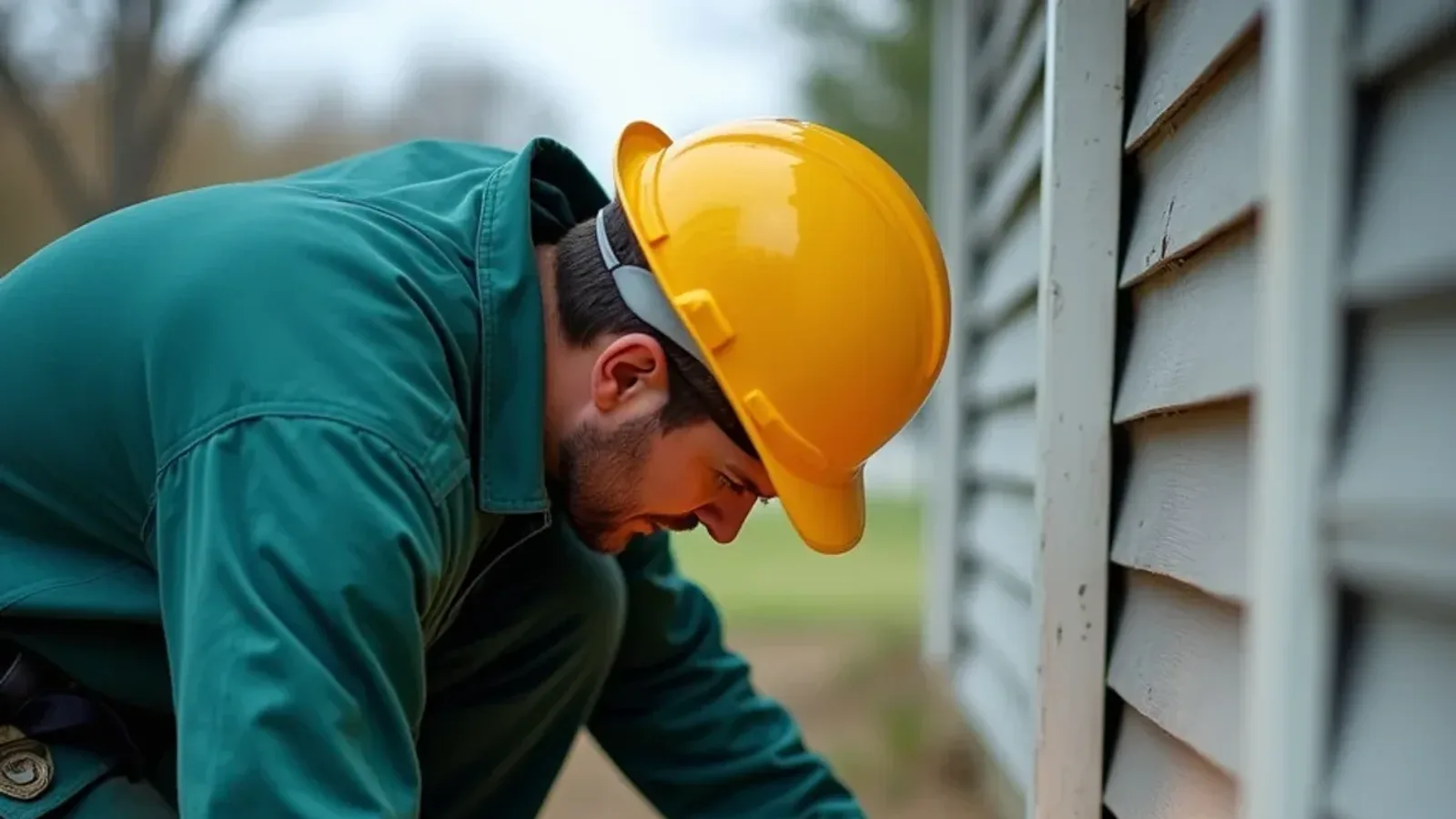
What is a WDI inspection, and what is the NPMA-33?
WDI stands for wood-destroying insects. The inspection looks for termites, carpenter ants, carpenter bees and wood-boring beetles in the parts of a house the inspector can see and reach. The results go on a standard form, the NPMA-33, produced by the National Pest Management Association.
The NPMA-33 records the date, the property, what the inspector found, and what areas were not accessible. It lists evidence of active insects, evidence of past activity, visible damage, and whether treatment appears to have been done. It is a snapshot of one day, not a guarantee about the future.
What the report cannot tell you
A clean NPMA-33 means no evidence was visible and accessible that day. It does not prove the house is termite-free. Finished basements, insulated crawl spaces and behind-wall areas are often off limits, so the report lists those limits. Buyers who want more certainty can ask for access to be opened up before the inspection.

Need it handled now?
Call Miller's at (321) 496-4080 for same-day help in the Hayden area.
Does every Indiana home sale need a termite inspection?
No law requires one for every sale. In practice, the request usually comes from one of three places: the buyer's lender, the loan program, or the buyer's own caution. Lenders commonly ask for a WDI report, and some loan programs expect one, though the exact requirement depends on the lender and the loan type.
Even when nobody requires it, the inspection is cheap insurance against a surprise. Subterranean termites are the main wood-destroying insect threat across southern Indiana, and they work out of sight for years. Older homes with stone or block foundations, wood in contact with soil, and damp crawl spaces tend to carry the most risk.
Pest control work in Indiana, including pesticide application, is regulated by the Office of the Indiana State Chemist (OISC). Ask any company you hire to explain how it is authorized to do the work, and check the OISC website if you want to verify it.
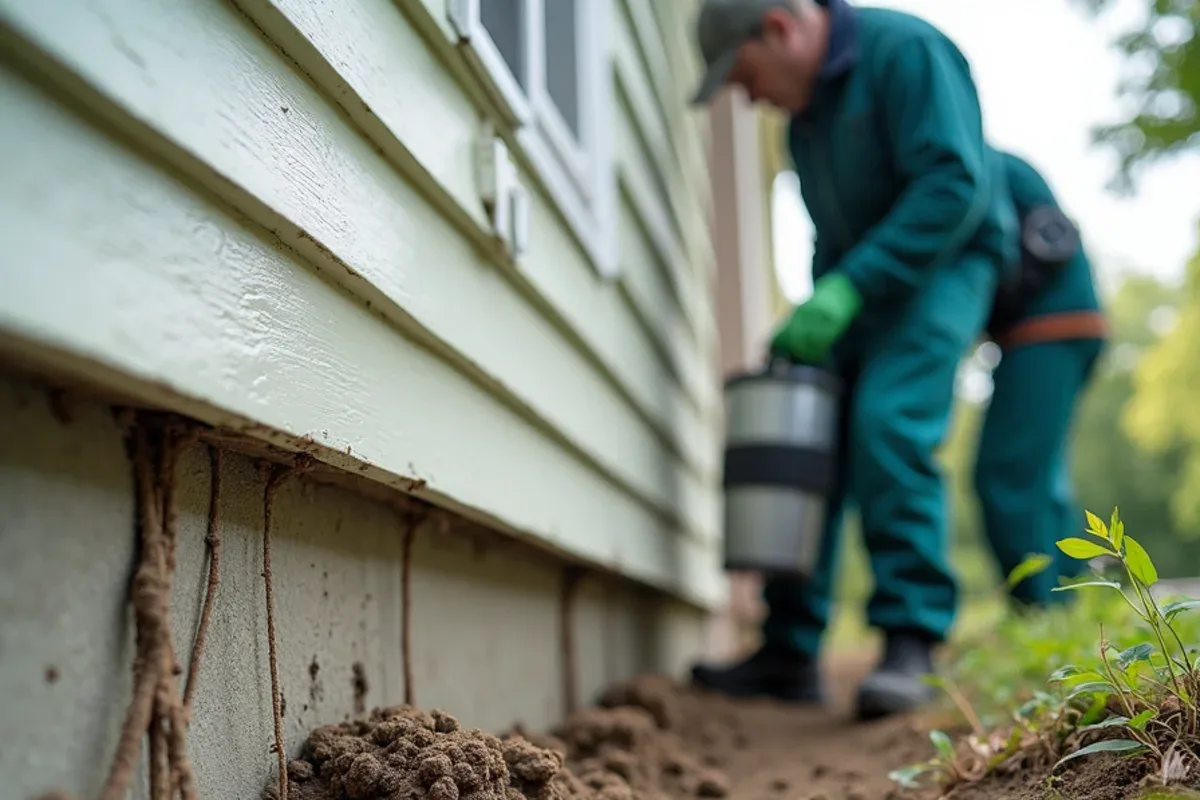
When should you order it, and how long does it take?
Order the inspection as soon as the offer is accepted, ideally within the first few days of the inspection period. Termite findings can change a negotiation, so you want time to react.
Schedule early
Book the WDI inspection alongside the general home inspection so both fit inside the contract's inspection window.
Clear access
Sellers should unlock the crawl space, move stored items away from the foundation and make the garage and basement reachable.
Inspection day
The inspector checks the foundation, sill plates, joists, window frames, porches and attached structures. Most single-family homes take around an hour, longer for large or complicated houses.
Report delivered
The NPMA-33 is usually emailed within a day or so. It goes to the buyer, the agent and the lender as required.
Decide next steps
If anything is noted, the parties decide on treatment, repair, a price adjustment or walking away, according to the contract.
Reports are generally treated as current for a limited window, often somewhere around 30 to 90 days, but the lender or the contract sets the actual deadline. If closing slips, ask whether the report needs to be refreshed.
Homes in older river towns such as Madison often have hillside lots and stone foundations. Tight crawl spaces there affect both access and how long the inspection takes.
Who pays for the WDI inspection in Indiana?
There is no statewide rule that assigns the cost. It is negotiable and follows the purchase agreement. In many transactions the buyer pays for inspections they request, and in others the seller covers it as part of the deal.
Fees for a standard house typically run from under a hundred dollars to a few hundred. Home size, the number of structures and the lender's requirements all play a part. Some companies charge more for large properties or outbuildings, so confirm what the fee covers when you book.
- Buyers often pay when the inspection is part of their due diligence or their lender asks for it.
- Sellers sometimes pay up front so a clean report is ready for every interested buyer.
- Any treatment or repair cost found by the inspection is a separate negotiation.
- Your agent or closing attorney can tell you how the contract assigns the cost.
A termite inspection ordered by the seller before listing also gives the seller time to fix problems quietly instead of at the closing table. In a place like North Vernon, where many homes are decades old, that head start can protect the sale price.
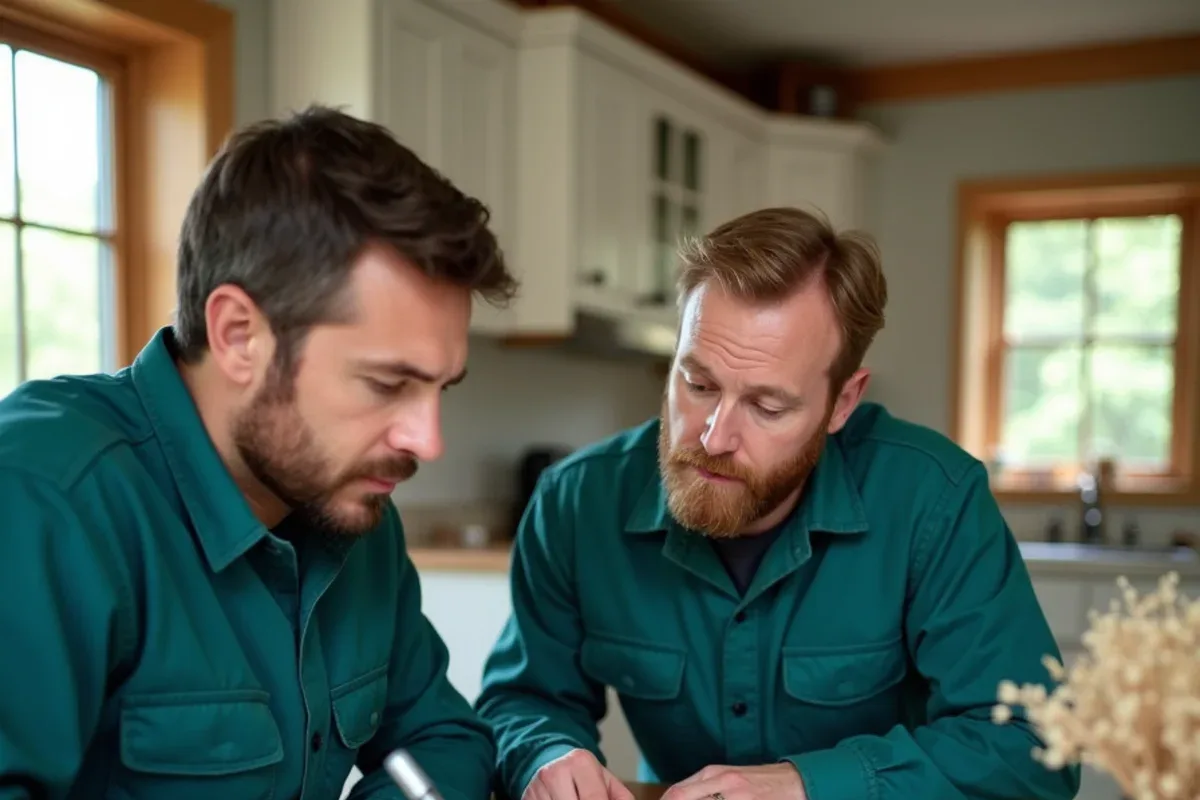
What happens if the inspection finds termites?
Evidence of termites does not automatically kill a sale. It starts a conversation. The report separates active activity from old, treated or inactive signs, and that difference matters.
Active termites
The seller usually arranges treatment, or the parties negotiate a credit or price change. A termite control plan, either a liquid barrier or bait stations, is typically done before closing, with paperwork on what was treated.
Visible damage
Damage found during the inspection may need a separate evaluation by a contractor or structural professional. Treatment stops the insects, but it does not rebuild chewed framing.
Old or inactive signs
Old mud tubes or prior damage with no live activity are common in older homes. The buyer may still want a monitoring plan, so ask what renewal or inspection options exist after closing.
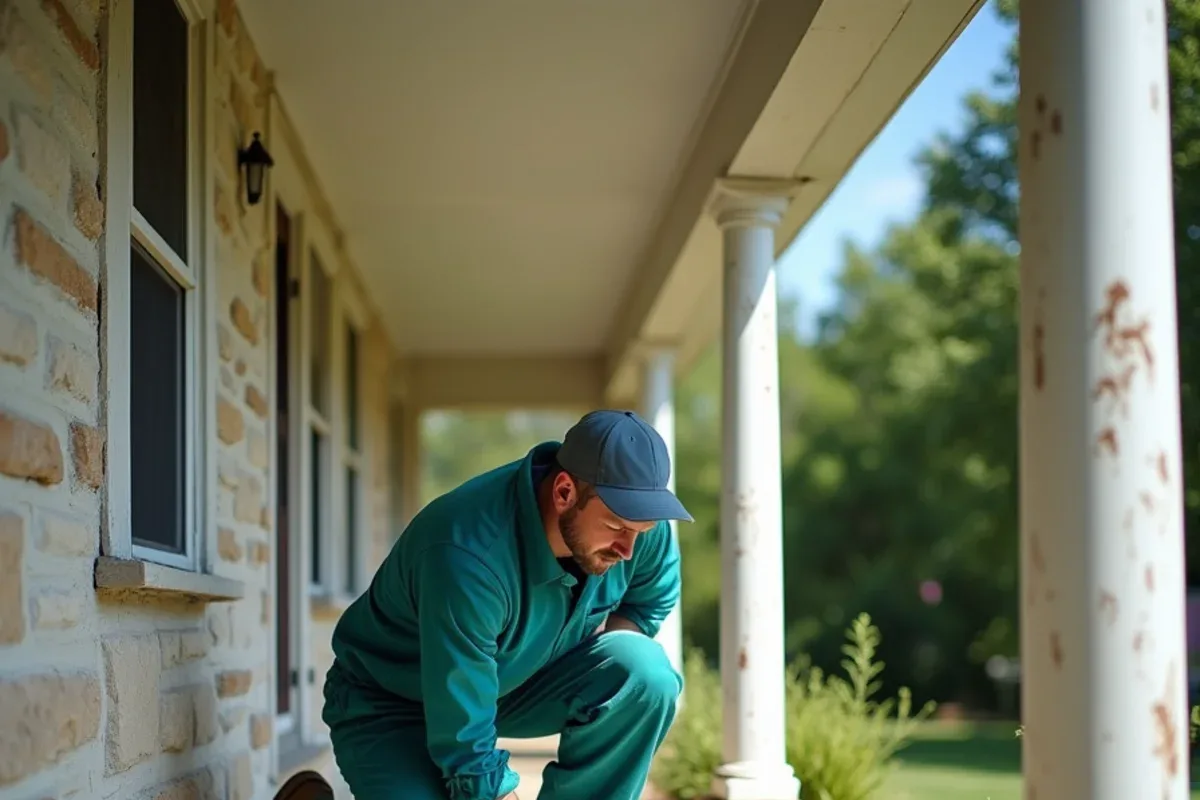
Ask for the treatment method in writing. A liquid barrier treats the soil around the foundation, while bait stations are placed around the structure and checked over time. Each has a different follow-up schedule, and the buyer inherits whichever one is in place.
Also keep the paperwork. Lenders, future buyers and your own insurer may ask for proof of treatment later, and a clean folder of reports saves a scramble at the next sale.
How can buyers and sellers get ready?
A little preparation keeps the report accurate and avoids the dreaded phrase "not accessible." The checklist below works for either side of the table.
- Sellers: clear a path to the crawl space hatch, garage walls and basement perimeter.
- Sellers: gather any older termite treatment records, since a past treatment changes how the report reads.
- Buyers: attend the inspection if you can and ask the inspector to show you anything noted.
- Buyers: ask about moisture problems, because damp wood is what termites and carpenter ants target.
- Both: keep firewood, lumber and mulch away from the foundation before the visit.
One trade-off is worth knowing. A thorough inspection with full access can surface problems that a quick, limited one would miss. That is uncomfortable for a seller, but it is better than the buyer finding the same thing after moving in.
Frequently asked questions
How long does a WDI inspection take?
How much does a termite inspection for a home sale cost?
Can a seller refuse to fix termite damage found in the report?
Is the NPMA-33 a termite warranty?
A WDI inspection is a small cost that can save you a large one, and the earlier you schedule it, the more options you have. Know what the NPMA-33 covers, read its limits, and settle who pays in the contract. For a local inspection ahead of a closing, call Miller's at (321) 496-4080.