
Pest Control in Hayden, IN for North Vernon, Seymour & Jennings County
Mice in the walls, a wasp nest by the door, ants across the counter — Miller's answers the call, often the same day, and tells you the plan before any work starts.
- Same-day help available
- Family-owned, 12+ years
- 5.0 ★ · 35 Google reviews
- 5.0 ★ on Google · 35 reviews
- Family-owned for over 12 years
- Same-day help available
- Serving Hayden & Jennings County
- Fair, up-front pricing
What we treat
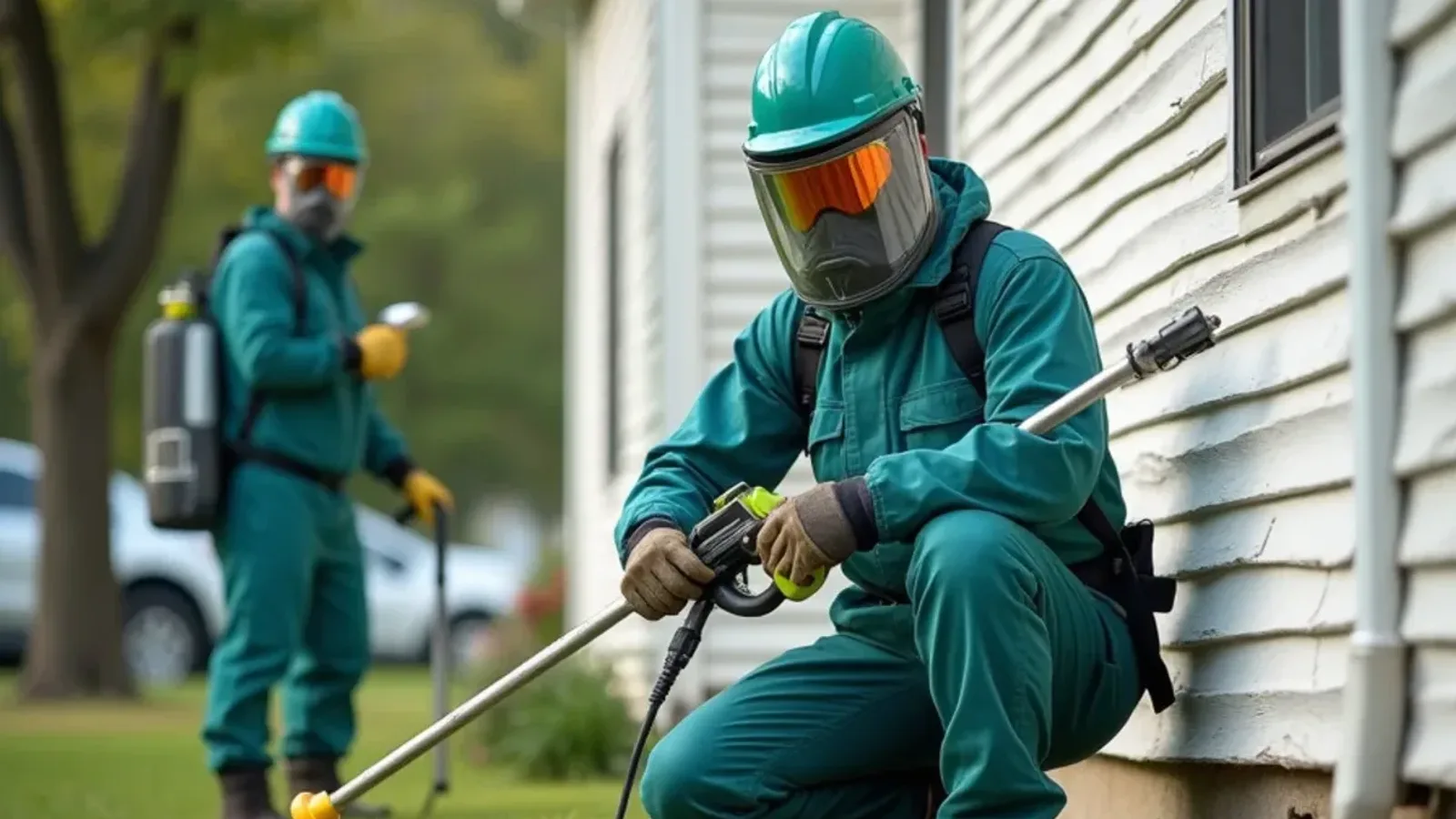
Pest control services across Hayden & Jennings County
From a single stinging-insect nest to a year-round plan, here's the help homeowners and businesses call us for most.
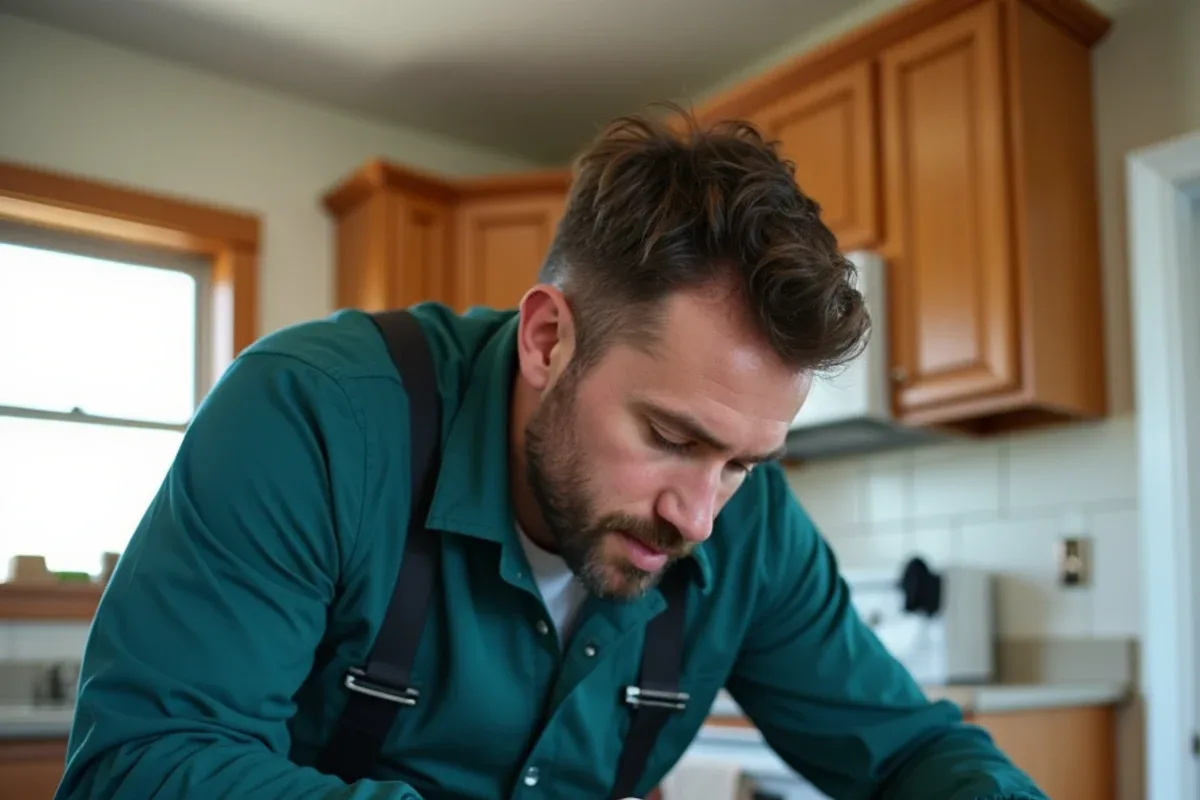
General Pest Control
One plan for the everyday pests — ants, spiders, roaches and seasonal invaders — inside and around your home.
Learn more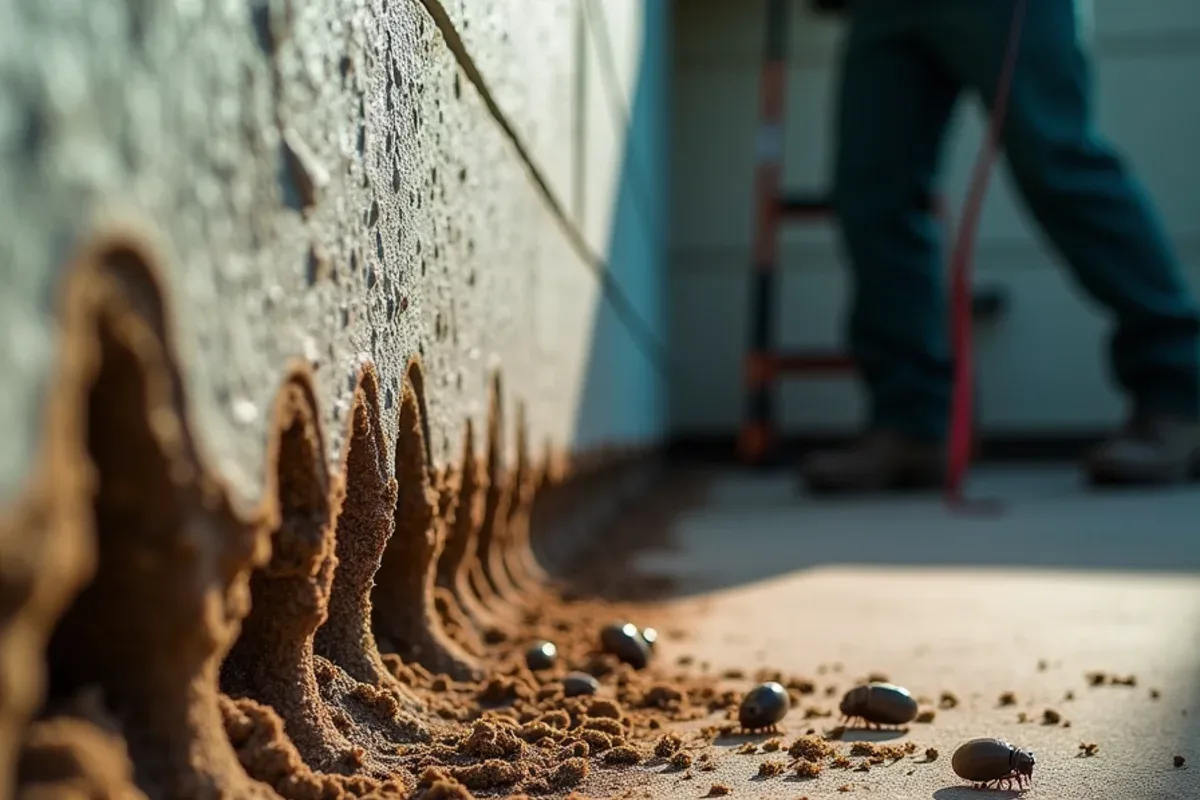
Termite Control
Liquid barriers and bait stations that stop subterranean termites before they reach the framing.
Learn more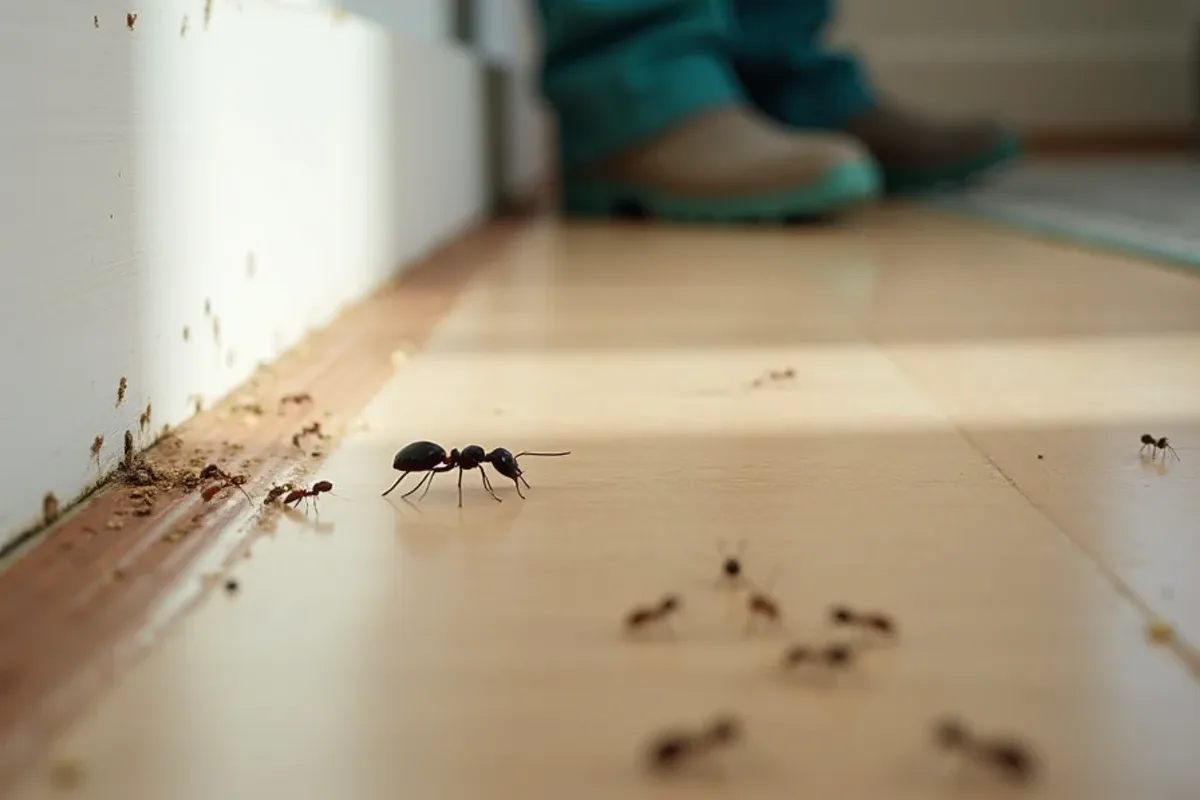
Ant Control
Colony-level baiting for odorous house ants, pavement ants and wood-damaging carpenter ants.
Learn more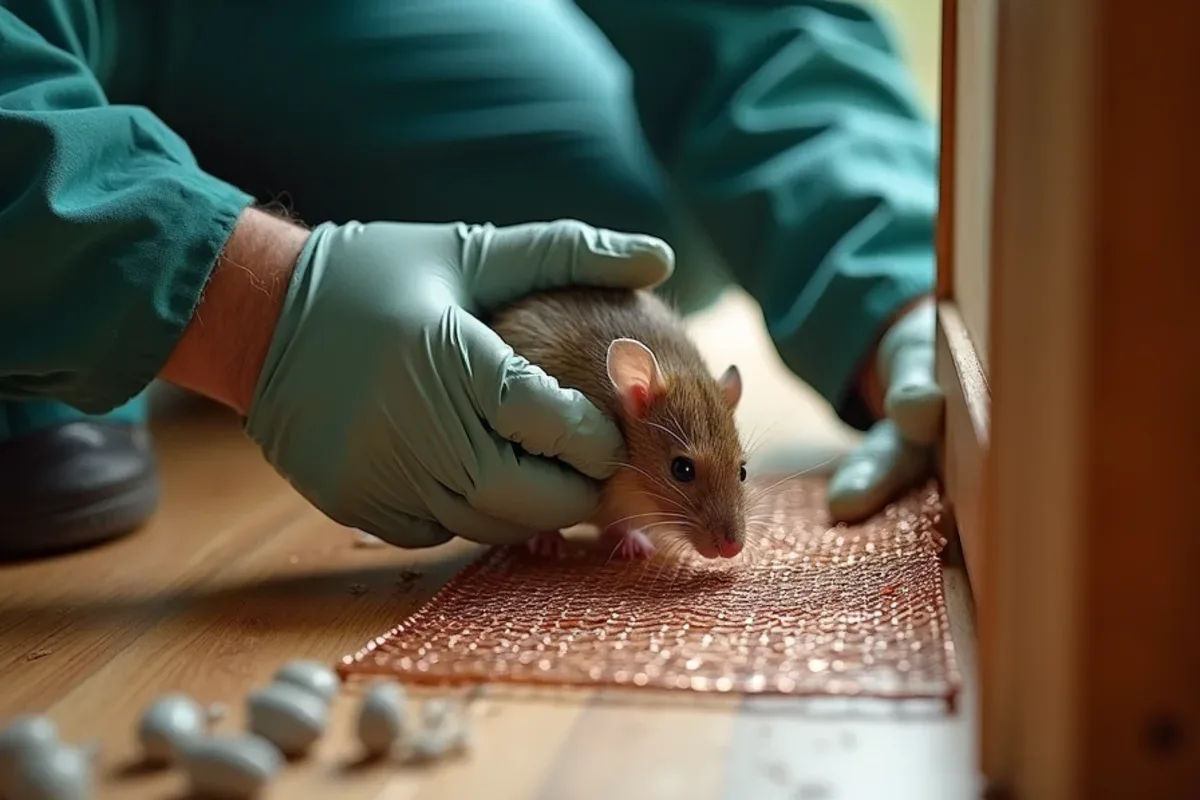
Rodent Control
Trapping, entry-point sealing and droppings clean-up so mice and rats don't come back.
Learn more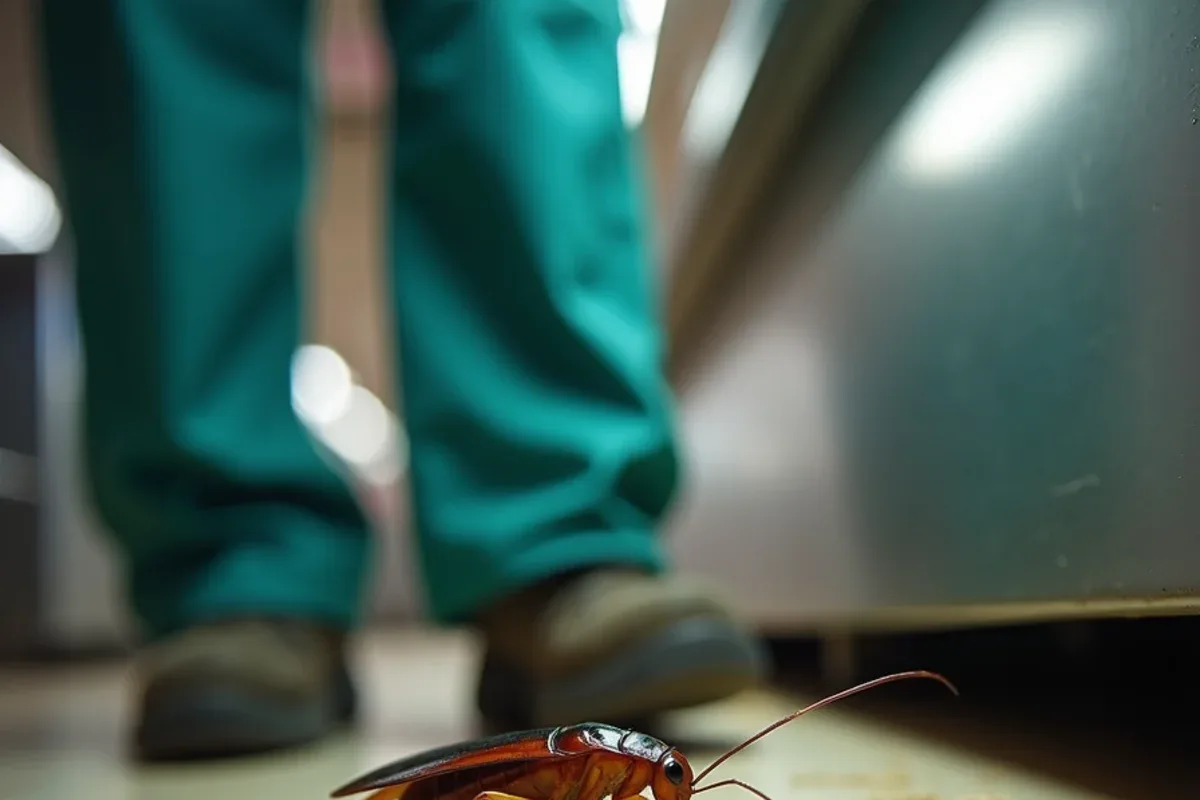
Cockroach Control
Baiting and follow-ups that clear German and American roaches from homes, rentals and kitchens.
Learn more
Mosquito & Tick Control
Seasonal yard treatments that cut mosquitoes and ticks around wooded southern Indiana lots.
Learn moreNeed it handled today?
Same-day & urgent pest problems
Call the number up top — these move to the front of the line.
Why neighbors choose Miller's
Local, straightforward, and quick to show up
Same-day help when you call early
Stinging insects, a mouse you just saw, a swarm by the window — these can't wait. Many Hayden and Jennings County calls are handled the same day. Call early and we'll do our best to reach you before the day is out.
Family-owned and local for 12+ years
Miller's is a family-owned business that has worked southern Indiana for over twelve years. You deal with the people who do the work, not a call center three states away.
5.0 stars from 35 Google reviews
Our neighbors rate us 5.0 on Google across 35 reviews, praising same-day response, fair prices and thorough, polite work. Read them yourself before you book.
Fair, up-front pricing
We explain what the problem is and what it costs before we start, so there's no surprise at the end. Customers mention our fair, reasonable pricing again and again.
We explain the plan and double-check the work
You'll hear what we're going to do and why, in plain words, and we check the result before we leave — the way customers like Susan and Mandy describe in their reviews.
We come back if a pest returns
If a treated pest comes back between visits — like a hornet nest a queen rebuilds — we return to make it right, the same way we handled Tim's gable nest.
Built for here
Pest control built for southern Indiana homes
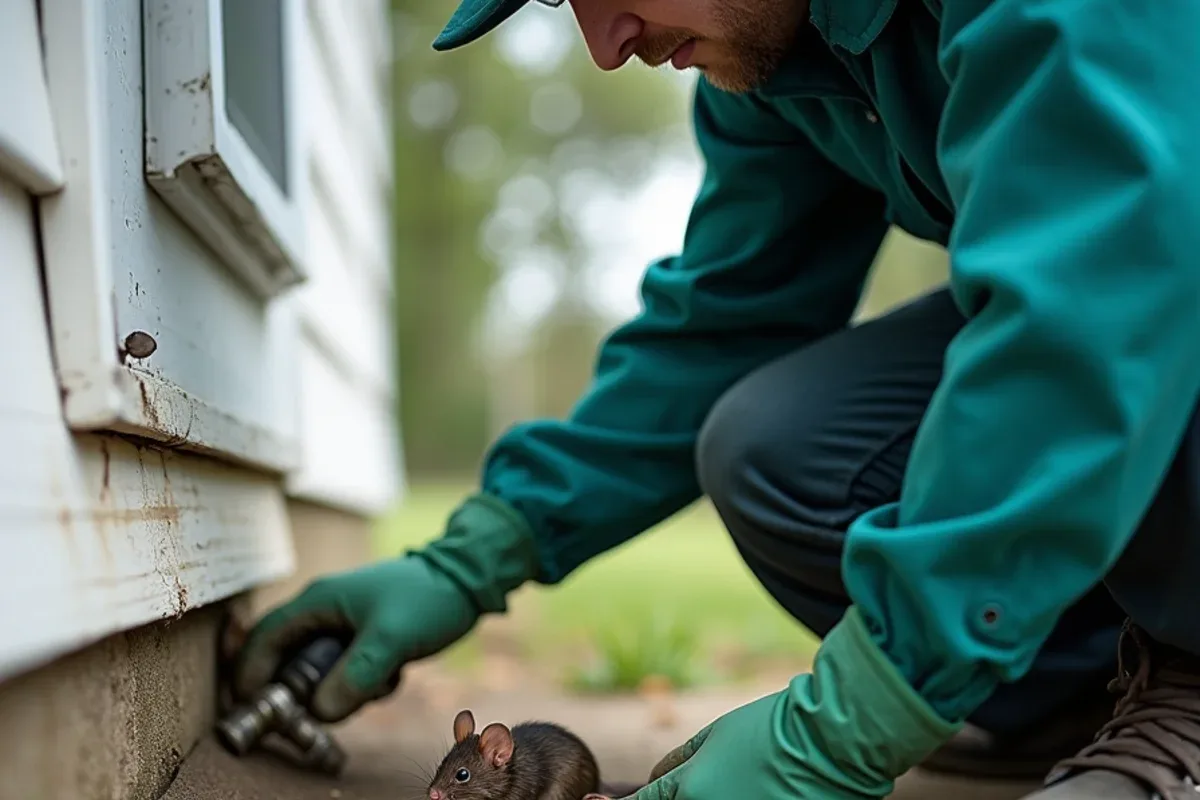
Hayden sits on US-50 in Jennings County, in the rolling farm-and-forest country between the Muscatatuck River and the wooded edges of Muscatatuck National Wildlife Refuge. That setting shapes the pests we treat. Wooded lots and old fencerows feed carpenter ants, paper wasps and ticks; crawlspace and stone-foundation homes let in subterranean termites and fall mice; and the farms around town push field mice and stink bugs indoors every harvest.
Because we live and work here, we treat for the season in front of us rather than selling one generic spray. In spring that means watching for termite swarmers and getting ahead of ants. In late summer it's hornet and yellow-jacket nests and tick-heavy yards. By fall we're sealing the gaps mice use before the first cold snap. The goal is the same every time: find how the pest got in, deal with it, and make it harder for the next one.
Know what's coming
A seasonal pest calendar for southern Indiana
Pests follow the weather here. Knowing what shows up when makes it easier to stay ahead of them.
Spring (Mar–May)
Termite swarmers, ants, carpenter ants
Warm, wet weather sends subterranean termites swarming and brings ants indoors looking for food and moisture. The best time for a termite inspection before a summer of activity.
Summer (Jun–Aug)
Wasps, hornets, yellow jackets, ticks, mosquitoes
Stinging-insect nests peak in eaves, trees and the ground, and ticks and mosquitoes move in from the woods and wetlands around Muscatatuck refuge.
Fall (Sep–Nov)
Mice, stink bugs, Asian lady beetles
As nights cool, mice and overwintering insects push into walls, attics and crawlspaces. Sealing and perimeter work now prevents a winter problem.
Winter (Dec–Feb)
Mice, rats, cockroaches, overwintering pests
Rodents stay active indoors all winter, and warm interiors keep roaches going. A good time for exclusion, clean-up and a fresh perimeter barrier.
First steps
What to do first when pests show up
A pest in the house is stressful. Here's how to handle the first few minutes before help arrives.
Most pest panic comes from not knowing what you're looking at — mice, ants, spiders, fleas or something with a stinger. Before you spray anything, take two minutes. A clear photo tells a technician more than a long phone description, and it's the first step of any good pest inspection: identify before you treat.
- Photograph the pest, nest or droppings from a safe distance before any treatment.
- Note where and when you saw it — the eave at midday, the pantry wall at night.
- Keep kids and pets away from the area, and keep pet food, bird seed and garbage sealed.
- Don't knock down or spray a wasp nest at midday, when the colony is most active.
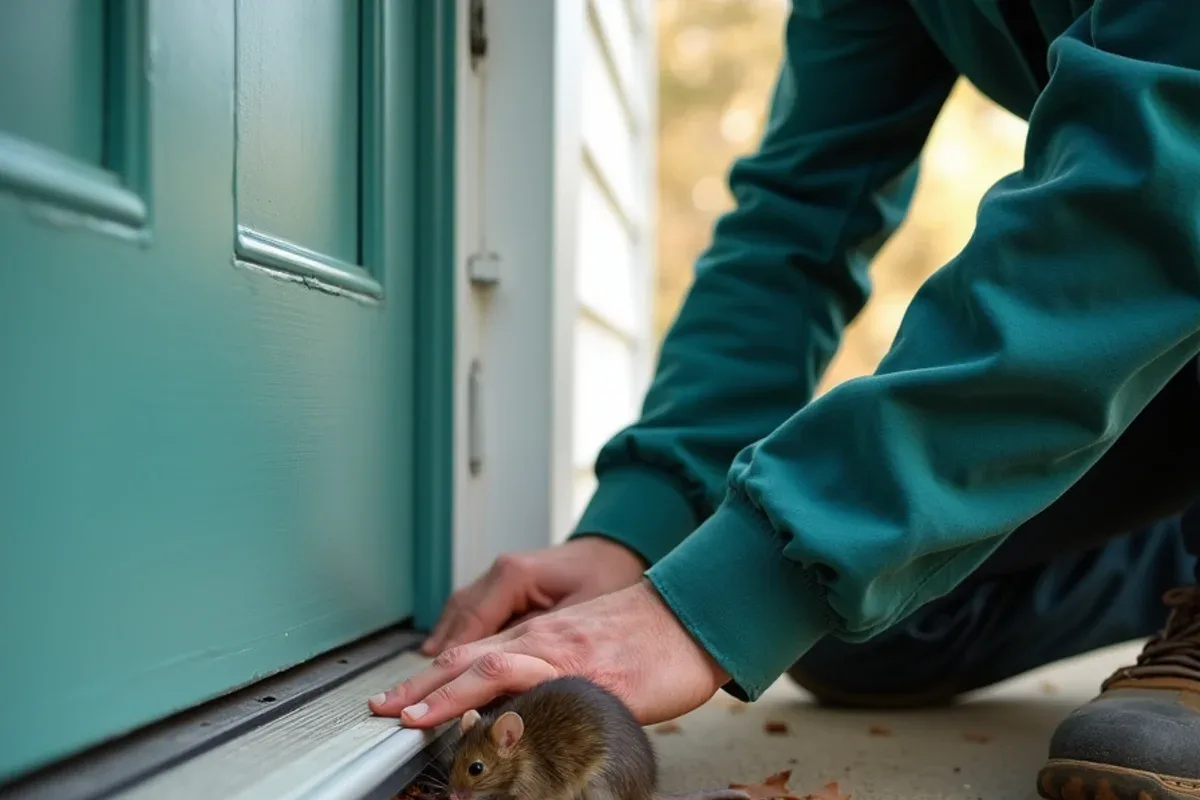
- If you can hear mice, they're already inside — note where, and plan to seal the entry points, not just set traps.
- Call us for anything near a door or walkway, any nest by an entrance, or mice you keep hearing.
Why the photo matters
A bee, a paper wasp and a bald-faced hornet each call for a different plan, and so do a carpenter ant and a termite. A photo lets us confirm the pest before we arrive — and products are always used the way the EPA-approved label directs, kept targeted rather than sprayed everywhere.
Pest ID
Know what you're dealing with
Two look-alikes can need very different treatment. A quick ID saves time, money and stings.
Telling two look-alikes apart changes the whole approach. Purdue Extension tracks the pests common across southern Indiana, and these are the mix-ups we get asked about most around Hayden.
Paper wasp, bald-faced hornet, or honey bee?
Paper wasps are slender with legs that dangle in flight and build open, umbrella-shaped combs under eaves and porch ceilings. Bald-faced hornets are big and black-and-white and build the gray, football-shaped paper nests you see hanging in trees. Yellow jackets are short and stout and often nest in the ground or a wall void. We remove all three. Honey bees are fuzzy and amber and cluster on comb — they're protected pollinators, so we'll point you to a beekeeper instead of treating them.
Carpenter ant or termite?
Carpenter ants have bent antennae and a pinched waist, and they push sawdust-like shavings (frass) out of the wood they tunnel through — they don't eat it. Termite swarmers have straight antennae, no waist, equal-length wings, and leave mud tubes rather than shavings. If you're not sure, our guide on carpenter ants vs. termites walks through it, and termite control covers treatment.
Mouse or vole?
Mice move indoors — walls, pantries, crawlspaces — and are gray-brown with big ears and long tails. Voles stay outdoors, stockier with short tails, and leave runways in the lawn and damage around garden roots. We handle mice and rats inside the home; voles are a yard problem.
Common pests, warning signs and your next step:
| Pest | Warning signs | Do right now | When to call us |
|---|---|---|---|
| Mice | Scratching in walls, droppings in the pantry | Seal pet food, bird seed and garbage; note where you hear them | When you keep hearing them — ask where they're entering and whether entry points get sealed |
| Wasps / hornets | A nest under an eave or by a door | Photograph it from a distance; don't knock it down at midday | A nest near a door, walkway or play area, or if anyone reacts to stings |
| Ants (incl. carpenter) | Trails on counters; sawdust-like shavings near wood | Photograph the ants; wipe trails with soap and water | Carpenter-ant shavings, or ants that keep coming back after you spray |
| Spiders | Webs in corners, garages and basements | Reduce clutter; knock down webs | Recurring webs, or any bite that looks serious |
| Ticks / mosquitoes | Bites after yard time; standing water | Dump standing water; keep grass and brush cut back | Heavy yard pressure, especially near the Muscatatuck woods and wetlands |
| Termites / WDO | Mud tubes on foundations; a spring swarm at a window | Don't disturb the tubes; photograph the swarmers | Any mud tubes or swarmers — or before you buy or sell a home |
Not sure what you're looking at?
Snap a photo and call — we'll tell you what it is and what it takes.
Honest pricing
What a pest job actually costs
We don't hide the ball on price. There's no flat rate because no two jobs are the same, but a handful of things decide what yours runs — and you'll get a written estimate before any work starts.
- The pest and how established it is — a single wasp nest is quick; a settled mouse or roach problem takes more.
- The size and layout of the home, and whether it's on a crawlspace, slab or basement.
- Whether entry-point sealing (exclusion) is part of the fix, or just treatment.
- A one-time treatment versus a recurring plan, which spreads cost and keeps seasonal pests out.
- Any follow-up or re-service visits the job needs to finish it.
For a fuller breakdown by pest and plan, see our guide to pest control cost in southern Indiana. Prefer to stay ahead of problems? A quarterly prevention plan covers the common pests year-round. Buying or selling a home? Line up a WDI termite inspection early so there's time to treat before closing.
No surprises
Indiana pesticide businesses and applicators are regulated by the Office of Indiana State Chemist (OISC), and we follow EPA label rules, NPMA best practices and integrated pest management (IPM) on every visit. You'll always hear the plan and the price in plain words before we begin.
Where we work
Hayden and the towns around it
Hayden sits on US-50 between North Vernon and Seymour. These are the Jennings County communities we reach most often — and we travel well beyond them.
Jennings County
Rural county of 27,613 (2020) cut by the Vernon Fork of the Muscatatuck River, with Selmier State Forest and Crosley Fish & Wildlife Area.
North Vernon
Largest city in Jennings County (6,608 in 2020), grown up at an 1850s railroad crossing.
Country Squire Lakes
1973 planned lake community (3,558 in 2020) built around reservoirs on Six Mile Creek off SR-7.
Vernon
Indiana's smallest county seat (236 in 2020) on a peninsula nearly ringed by the Muscatatuck River.
Seymour
Jackson County's largest city (21,569 in 2020) at the I-65 and US-50 'Crossroads of Southern Indiana'.
Scipio
Small SR-7 crossroads at the center of Geneva Township with Sand Creek along its northern edge.
Butlerville
US-50 village east of Vernon bordered by the Purdue Southeast Agricultural Center, near the Muscatatuck Urban Training Center.
Crothersville
I-65 town in southern Jackson County laid out in 1835 and named for a railroad superintendent.
Don't just take our word for it
5.0 from 35 Google reviews“He did an amazing job! The cost was way more than fair. He came to remove my wasps, hornets and yellow jackets the same day I called! Very, very kind and polite. Double checked to make sure I was satisfied with the job. Which I was MORE than satisfied! If you live around Jackson County... do nor call anyone else for pest control!”
“We had termites and they did such a good service. They were up front and very helpful. They are nice and friendly and cleaned up their mess better than they found the place. Very good service 11/10 recommend!”
“Jim was polite, knowledgeable, and prompt. We are so relieved that he was able to get rid of our ant problem, and we can't recommend him enough!”
“Jim was great and came to our residence same day and found the problem and cleaned up the rodent residue, even on his birthday! Can’t thank him enough!”
“Millers Termite and Pest Control is the best! Very professional and quick! They know what they are doing and get the job done at a great price. Highly recommend!”
“We had a huge bald face hornet’s nest in our tree so we gave Jim a call and he was able to work us in the very same day. He explained what he was going to do and then went right to work. If you need any kind of pest control at a very reasonable price, don’t hesitate to give Jim a call!”
Pest Library
Guides from our southern Indiana crew
Straight answers on the pests, prices and seasons that matter here.

Find & call us
Serving Hayden, IN & southern Indiana
Miller's Termite and Pest Control
Hayden, IN 47245
We’re based in Hayden on US-50 — call for same-day help or a straight quote.
Pest control in Hayden, IN — FAQs
Do you serve Hayden, North Vernon and Seymour the same day?
Are your pest control treatments safe around kids and pets?
What does a general pest plan cover?
Do you handle termites and rodents as well as insects?
How far from Hayden do you travel?
Why do mice get into older homes and farmhouses in the fall?
Why shouldn't I knock down a wasp nest during the day?
Is sealing entry points (exclusion) better than just setting traps?
Do I need a WDO (termite) inspection to sell a house?
Pests don't wait. Neither do we.
Call Miller's Termite and Pest Control for same-day help across Hayden and Jennings County. Honest pricing, local crew, work we stand behind.
- 5.0 ★ on Google · 35 reviews
- Family-owned for over 12 years
- Same-day help available
- Serving Hayden & Jennings County
- Fair, up-front pricing