

How do liquid barriers and bait stations differ?
Subterranean termites nest in the soil and enter a house through mud tubes, cracks and wood that touches the ground. Both main treatment methods interrupt that path, but they work in very different ways, and the price follows the method.
Liquid soil barrier
A technician applies a liquid termiticide to the soil around the foundation. That usually means trenching along the outside walls and drilling through slabs, porches and garage floors to reach soil underneath. The treated zone blocks termites from reaching the structure, and some products spread through the colony as termites move through it.

Bait stations
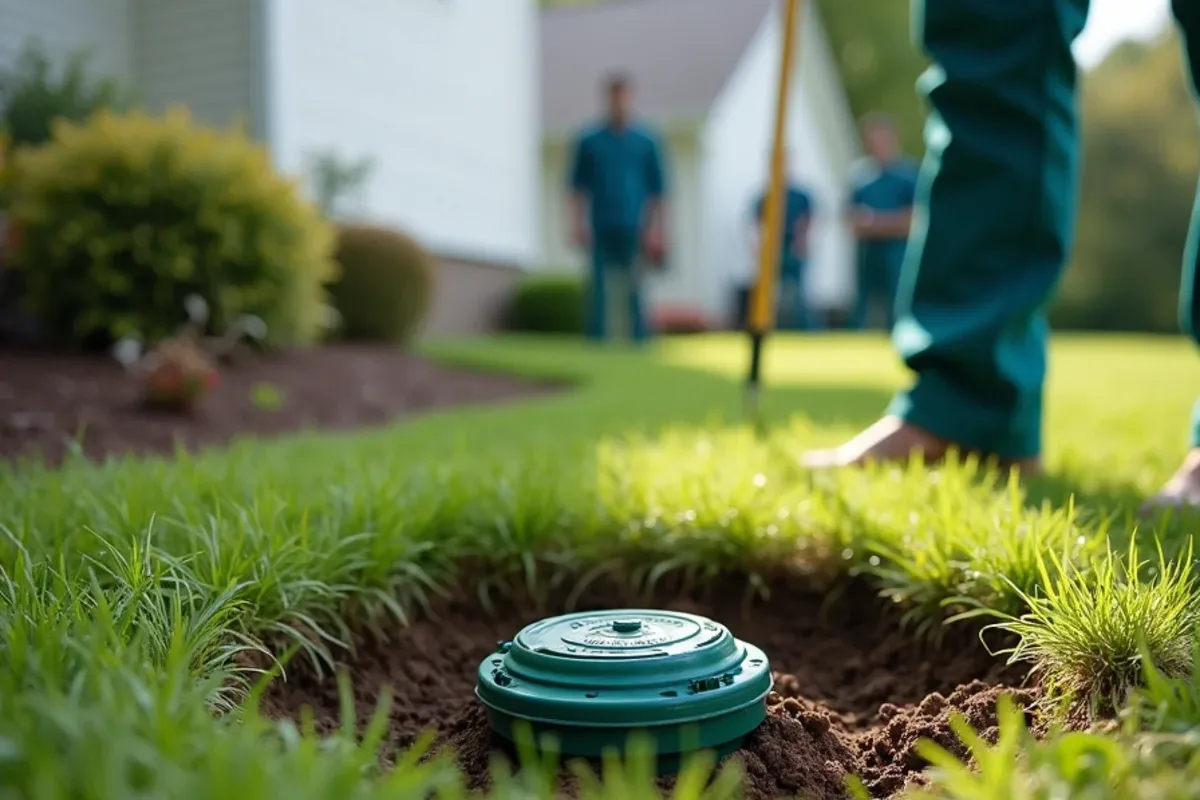
Stations are installed in the ground around the home at set intervals. Termites find the stations and feed on the bait, then carry it back to the colony. Technicians check the stations on a schedule and refill them as needed. Bait takes longer to show results, but it involves less drilling and less liquid in the soil.
Both approaches fall under termite control, and a good technician will explain which one fits your house rather than pushing a default.
Need it handled now?
Call Miller's at (321) 496-4080 for same-day help in the Hayden area.
What drives the price of termite treatment?
Termite quotes vary more than almost any other pest service. The same label, "termite treatment," can mean very different amounts of labor and product. These are the factors that move the number.
- Linear footage of foundation. A bigger perimeter means more trench or more stations.
- Foundation type. Slab-on-grade homes need drilling. Crawl spaces and block basements need access work on the inside.
- Concrete to penetrate. Porches, patios, walkways and garage slabs all add drilling time.
- Level of activity. Heavy, active infestations and visible damage usually call for a more thorough job.
- Access. Finished basements, decks built against the house and dense landscaping slow the work.
- Add-ons. Wood treatments in the attic or crawl space, moisture fixes and follow-up inspections are sometimes priced separately.
For a typical single-family home, a one-time liquid barrier generally lands in the low-to-mid thousands of dollars. A bait system is often similar at installation, with ongoing monitoring cost layered on top. Those are broad ranges that vary by company, and your own number could sit outside them.
Be wary of quotes that come in far below the others without explaining why. A low number can mean less footage was measured, fewer stations were placed or follow-up was left out. A very high number deserves the same questions. Ask each company to show you the footage and the layout they priced.
Condition and age matter as well. Older homes often have stone or block foundations with hidden voids, additions with different foundation types, and wood porches built against the house. Each of those adds treatment points and, usually, labor.

Which costs more, a liquid barrier or bait stations?
Neither always wins. The table compares how each method behaves across the things homeowners care about most.
| Factor | Liquid barrier | Bait stations |
|---|---|---|
| Typical upfront cost | Often the lower of the two, depending on slab drilling | Often similar or higher, depending on station count |
| Ongoing cost | Usually a yearly inspection or renewal | Monitoring visits and bait refills are part of the plan |
| Speed of protection | Barrier is in place right after application | Colony control takes weeks to months |
| Disruption | Trenching and drilling, with some patching of concrete | Small station holes around the lawn |
| Best fit | Active infestations, slab homes, quick sale timelines | Homes where drilling is difficult, ongoing monitoring preferred |
| Main drawback | Hidden gaps in coverage if access is limited | Needs steady monitoring to keep stations working |
The honest trade-off
A liquid barrier often protects faster, but one missed section of foundation can leave a gap. Bait protects the whole colony over time, but it relies on termites finding the stations and on someone checking them. Many homes do best with a combined approach, and a combined job costs more than either method alone.
What do renewals and warranties really cost?
The upfront price is only part of the cost. Most termite programs include a yearly renewal, inspection or monitoring fee after the first year. That fee keeps the protection active and usually covers a technician checking for new activity.
Terms differ a lot between companies, so ask these questions before you sign:
- What exactly does the renewal cover: inspection only, retreatment, or damage repair?
- Is retreatment included if termites return, or billed separately?
- What happens to the agreement if you sell the house?
- How often will the technician inspect or check stations?
- Are there conditions, such as keeping mulch away from the foundation, that could void coverage?
Do not assume a renewal covers damage repair. Many do not. Read the written terms, and ask for them before the work begins, not after.
What should you expect on treatment day?
Knowing the process helps you spot a quote that skips steps. A liquid barrier job on an average house is often a one-day project, and a bait installation is usually completed in a few hours.
- The technician walks the exterior and interior first, marking mud tubes, damaged wood and moisture sources.
- For liquid work, a narrow trench is dug beside the foundation and the soil is treated as it is replaced.
- Slabs, porches and walkways are drilled at set spacing, then patched.
- For bait, stations go in at set intervals and are logged on a map of your property.
- You get a written record of what was treated, where, and what to watch for.
You may be asked to move planters, clear a path to the crawl space and keep pets inside while liquid is applied. After treatment, you might still see termites for a short time as the colony declines. That is normal, but report anything that looks like new activity so it can be checked.
How do you choose, and where do you start?
Start with the facts, not the price. A termite inspection tells you whether termites are active, how far they have spread and what the foundation looks like. A quote built on an inspection is far more reliable than one built on a phone call.
Get an inspection
Have someone look at the foundation, crawl space, sill plates and any wood touching soil.
Ask for the method and the reason
A technician should explain why liquid, bait or a combination suits your home.
Request the scope in writing
Footage, number of stations, areas treated and renewal terms should all be on paper.
Compare apples to apples
Two quotes only compare if they cover the same footage, method and follow-up.
Plan for the renewal
Budget the yearly fee along with the first treatment.
Local conditions play a part. Clay soils and wet seasons in the hills near North Vernon keep moisture around foundations. Homes along the US-50 corridor toward Seymour include many older houses with crawl spaces. Both raise the value of a careful inspection before you pick a method, and a second look at the crawl space is cheap compared with retreating later.
One last point on timing: waiting rarely lowers the bill. Termites work year-round inside soil and wood, and damage grows quietly. Treatment is almost always cheaper than treatment plus structural repair.
Frequently asked questions
How much does termite treatment cost for an average Indiana house?
Are bait stations cheaper than a liquid barrier?
Is there a yearly fee after termite treatment?
Does termite treatment fix the damage that is already there?
Termite pricing makes sense once you see what you are paying for: the method, the footage, the access and the renewal. Start with an inspection, get the scope in writing, and compare like with like. When you want a clear plan for your own home, call Miller's at (321) 496-4080.