
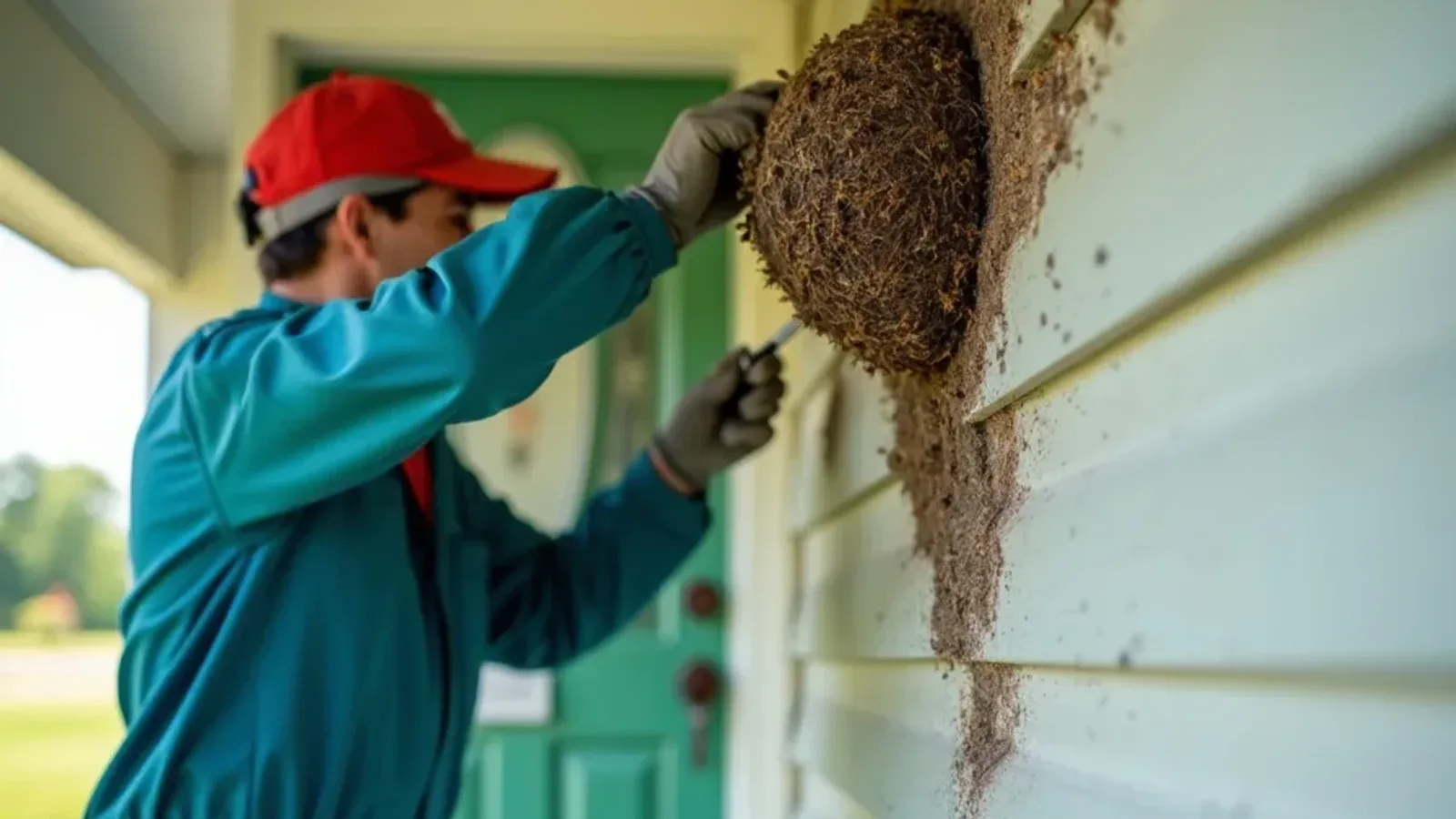
What to do first when a nest is by the door
A nest over the front step is stressful because you have to walk past it every day. The good news is that wasps and hornets are mostly defending the nest, not hunting you. A few calm habits keep everyone safe until the nest is gone.
- Use a different door and route foot traffic away from the nest opening.
- Keep kids and pets well clear — most stings happen when someone gets too close or swats.
- Don't block the nest entrance; trapping the colony makes them far more defensive.
- Watch where the insects come and go so you can point it out to the technician.
- If anyone is allergic to stings, treat it as urgent and keep an epinephrine auto-injector handy.
Need it handled now?
Call Miller's at (321) 496-4080 for same-day help in the Hayden area.
Is it a wasp, a hornet or a yellow jacket?
Telling them apart helps you judge the risk and tells the technician what they're walking into. Around Hayden and Jennings County, three show up most.
Paper wasps
Slender, with long legs that dangle in flight. Their nests are open, umbrella-shaped combs you can see into, usually tucked under eaves, porch ceilings, grills and mailboxes. They're the most common nest by a door and the least aggressive of the three — but they'll still defend a nest you brush against.
Bald-faced hornets
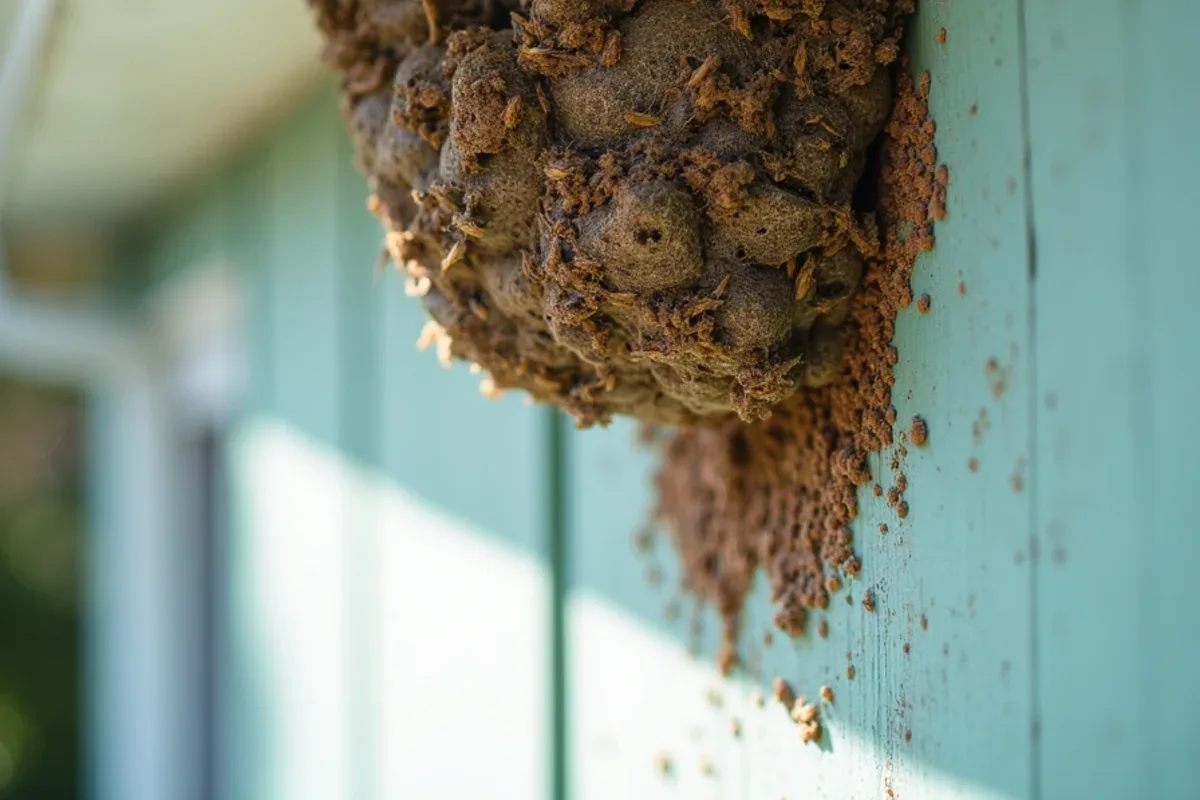
Large black-and-white insects that build the gray, football-shaped paper nests you see hanging in trees and on walls. These colonies get big and defend aggressively. A bald-faced hornet nest near an entrance is worth handling quickly.
Yellow jackets
Short, stout and bright yellow-and-black. They often nest in the ground, in wall voids, or under decks, and they're the ones that ruin a cookout. Ground nests are easy to mow over by accident, which is how a lot of stings happen in late summer.
What not to do (and why DIY backfires)
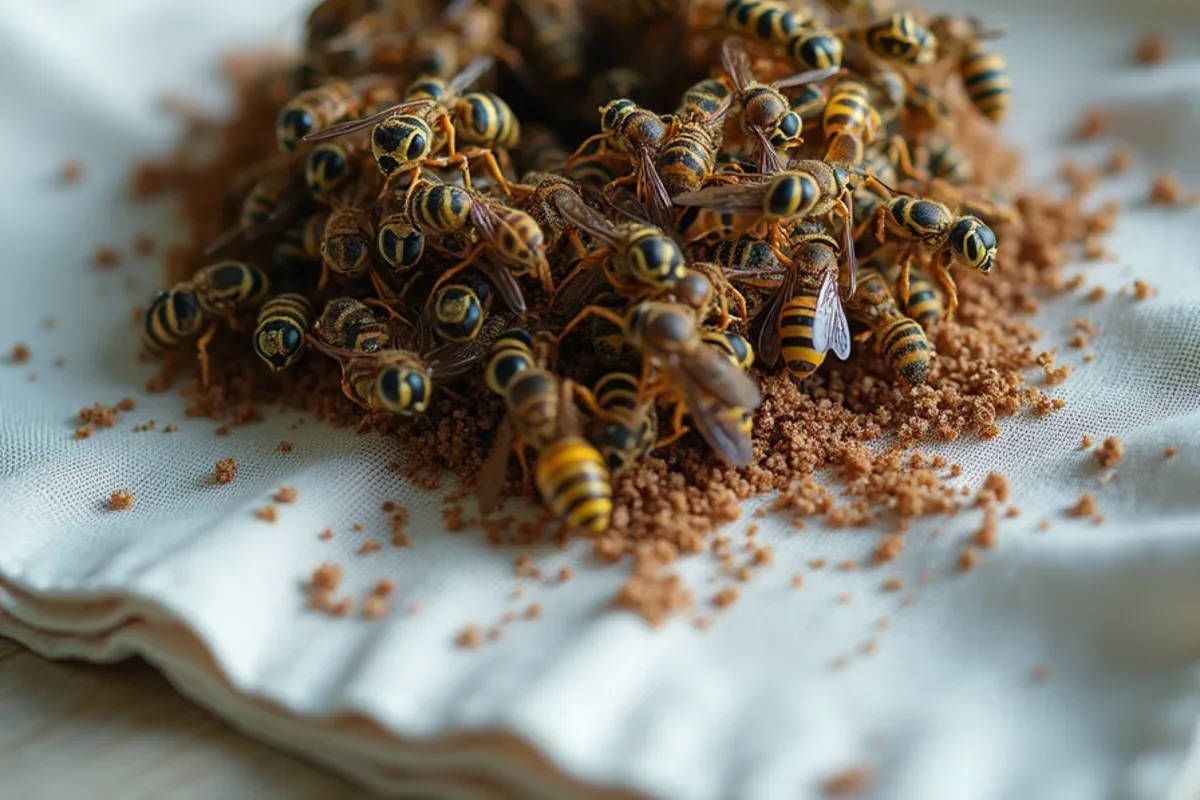
Most bad sting stories start with a can of store spray and a ladder at the wrong time of day. Here's what to skip:
- Don't knock a nest down in the middle of the day, when most of the colony is home and active.
- Don't spray a big hanging hornet nest from close range — the ones that come pouring out are behind you before the spray reaches the core.
- Don't plug a wall-void or ground entrance; sealed-in wasps chew into living space looking for a way out.
- Don't stand on a wobbly ladder near an eave nest — the sting reflex that makes you jump is the real danger up high.
- Don't assume one spray finished it; a surviving queen often rebuilds in the same spot within days.
A note on bees
Honey bees are protected pollinators and look different from wasps — fuzzy, amber, and clustered on comb rather than paper. If it's a honey bee swarm, it usually needs a beekeeper, not an exterminator. When you're not sure, describe it on the phone and we'll help you tell the difference before anyone sprays.
When to call a professional
Call for help when the nest is by a door or high-traffic path, when it's a large hornet or yellow-jacket colony, when it's in a wall void or the ground, or any time someone in the home reacts badly to stings. These are the jobs where doing it yourself most often goes wrong.
This is exactly what our wasp, hornet and yellow jacket nest removal service is for, and stinging-insect nests are some of the most common same-day emergency calls we get. We treat the colony first so it's calm, then remove the nest, and we come back if a queen rebuilds — the way we handled a customer's gable hornet nest that returned the next day.
How a pro removes a nest
Professional removal looks calm from the outside because the risky parts are planned out first. Here's how a typical stinging-insect call goes once the technician arrives.
Identify and locate
The technician confirms the species and finds the true nest — not just the opening. A yellow-jacket hole in the lawn or a gap in the soffit can lead to a nest a foot or more inside.
Pick the safe window
Treatment happens when the colony is calmest and most of it is home, usually early morning or dusk, so fewer insects are out foraging and more of the colony is controlled at once.
Treat the colony first
A targeted dust or aerosol goes into the nest entrance so returning workers carry it inward. Knocking a live nest down before it's treated just scatters an angry colony.
Remove and clean up
Once activity stops, the nest is taken down where it's safe to do so, and the spot is wiped so residual pheromones don't flag it as a good site for the next queen.
Check back if needed
Big hornet nests and wall-void colonies sometimes need a second look, and a queen can rebuild a day or two later — which is when the return visit matters.
The whole visit is usually quick, but the sequence is what keeps it from going sideways. It's also why a ladder, a can of spray and a free afternoon so often ends with someone getting stung instead.
What does sting first aid look like?
Even careful households get stung now and then. Knowing the basic steps ahead of time keeps a bad afternoon from getting worse. This is general information, not medical advice, so follow your own doctor's guidance if you have one.
Move away calmly
Walk away from the nest and go indoors. Wasps and yellow jackets can sting repeatedly, and crushed insects can release alarm scent that draws more of them.
Remove a stinger if one is present
Honey bees leave a stinger behind. Wasps and hornets usually do not. If you see one, scrape it off with a fingernail or a card edge.
Clean and cool the area
Wash the spot with soap and water, then hold a cold pack or wrapped ice on it for several minutes to ease swelling and pain.
Ease the itch and swelling
Many people use an over-the-counter antihistamine or hydrocortisone cream, following the label. Elevate a stung arm or leg if it swells.
Watch for a serious reaction
Hives away from the sting, trouble breathing, swelling of the face or throat, dizziness or vomiting need emergency care right away. Call 911.
Multiple stings are different
A person stung many times at once, a small child, or anyone with a known allergy should be seen quickly, even if they feel fine at first. If a prescribed epinephrine auto-injector is on hand, use it as directed and still call 911.
What affects how a nest removal is quoted?
People often ask what a removal costs before they call. The honest answer is that the nest tells the story, and a quick description or photo on the phone helps a lot. These are the factors that shape the work.
- Species: a small paper wasp comb is a very different job than a bald-faced hornet colony or a buried yellow jacket nest.
- Size and age: a spring starter nest is simple, while a late-summer colony can hold hundreds of insects.
- Height and access: a nest under a low porch ceiling is easier than one on a second-story gable that needs a ladder.
- Location: open nests in a tree are simpler than colonies hidden in a wall void, soffit or attic.
- Number of nests: some properties have several, and a walk around the eaves often turns up extras.
- Return visits: wall-void colonies and big hornet nests sometimes need a second look to confirm activity has stopped.
When you call, tell us where the nest is, how big it looks, and how many insects you see at once. Photos taken from a safe distance help even more. We can then tell you what to expect before anyone gets on a ladder.
Keeping nests from coming back
Once a nest is gone, a few steps make your eaves and yard less inviting next season. Knock down the small starter nests you spot in spring before a queen builds them out. Keep garbage and sweet drinks covered in late summer, when yellow jackets go looking for sugar. Seal gaps around soffits, vents and siding where wasps slip into wall voids.
Homes on wooded lots — think the lake-edge cabins at Country Squire Lakes or the older porches around North Vernon — tend to get repeat nesting, so a seasonal check in late spring is worth it. If you'd rather not play lookout, a quarterly plan keeps an eye on the usual nesting spots for you.
Frequently asked questions
Can you remove a hornet nest the same day I call?
What should I do if yellow jackets are nesting in my lawn?
Will the nest come back after treatment?
Are bald-faced hornets more dangerous than wasps?
A nest by the door doesn't have to mean a week of dodging stings. Keep your distance, skip the DIY heroics, and let someone remove it safely. If you're in Hayden or anywhere in Jennings County, call Miller's at (321) 496-4080 and we'll get it handled — often the same day.