
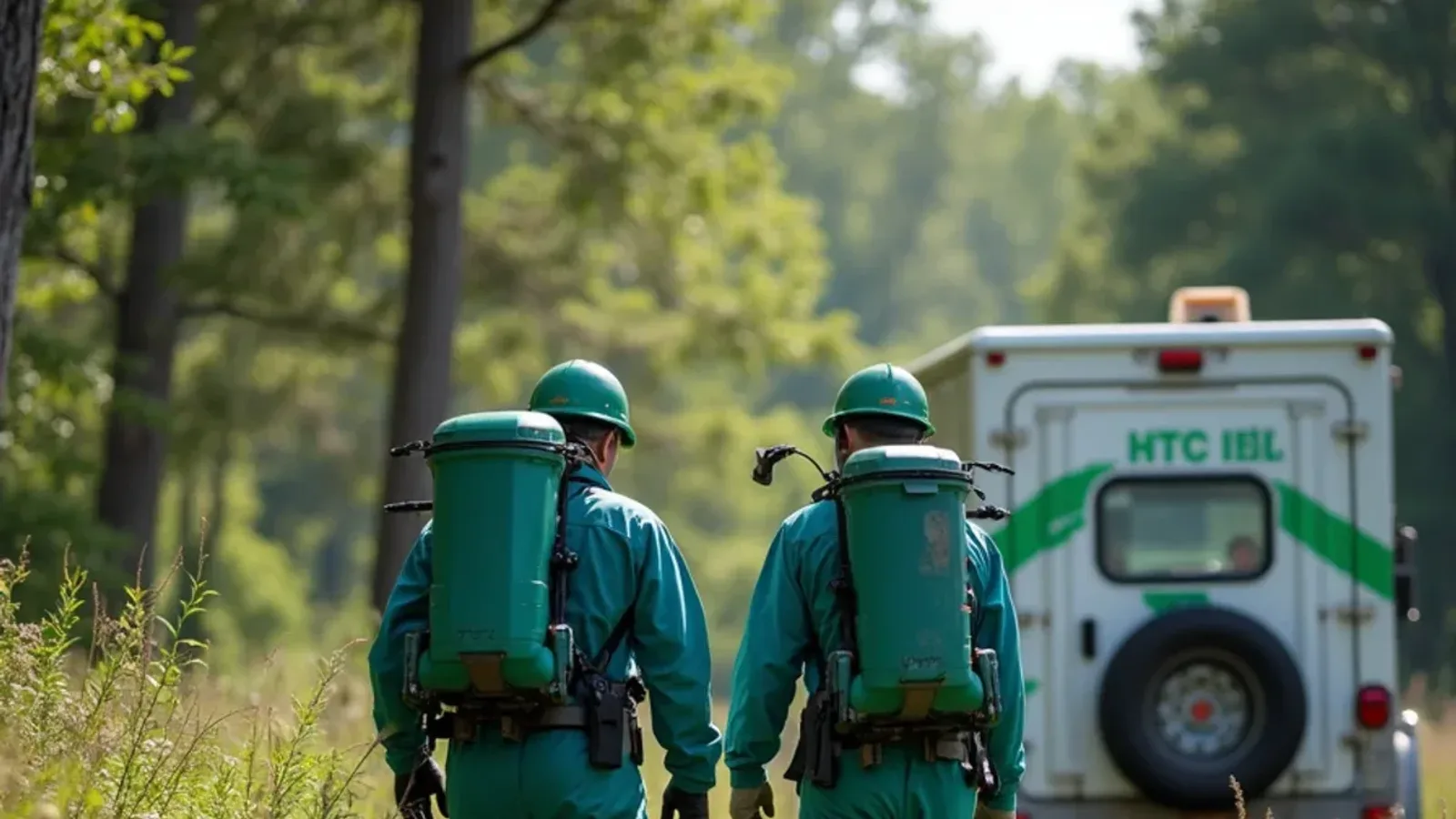
Why do yards near Muscatatuck Refuge get so many bugs?
Muscatatuck National Wildlife Refuge, near Seymour in Jackson and Jennings counties, protects wetlands, bottomland forest and open fields. That is wonderful habitat for deer, rodents and birds, and those animals carry ticks and feed mosquitoes. Their reach does not stop at the refuge boundary.
Properties in Hayden, Seymour and the surrounding countryside often share a woodline or a drainage ditch with that landscape. Deer cross yards at dawn and dusk. Mice live in brush piles. A tick that drops off a deer in a tree line is one mowed-lawn step from your kids.
Mosquitoes follow the water. Flooded fields, ditches, ponds and puddles in clay soil give them breeding sites within flying distance of your patio. The more water on your property, the more your yard adds to the pool.

How seasons shape the risk
Tick activity follows the calendar. Nymphs, which are tiny and easy to miss, are active in late spring and early summer. Adults of several species stay active into fall. Mosquito numbers climb with the first warm, wet weeks of spring, peak in midsummer and fade after the first frosts.
Rain matters as much as heat. A wet June means flooded low spots, full ditches and a surge of Culex hatches two weeks later. Dry spells shrink breeding sites but concentrate wildlife near water, so yards beside creeks can stay busy either way.
Need it handled now?
Call Miller's at (321) 496-4080 for same-day help in the Hayden area.
Which ticks live in southern Indiana?
Three species matter here. Each prefers somewhat different conditions, and each is linked to different illnesses, so knowing the species helps when you talk to a doctor. The Indiana Department of Health tracks tick-borne disease and is a good source for current guidance.
| Tick | How to recognize it | Where it waits | Health concern |
|---|---|---|---|
| Lone star tick | Adult females have a single white spot on the back | Brush, tall grass, woods edge | Ehrlichiosis, and bites have been linked to alpha-gal syndrome |
| American dog tick | Brown with whitish markings on the shield | Grassy paths, field edges, trails | Rocky Mountain spotted fever |
| Blacklegged (deer) tick | Small, reddish-orange and dark with no markings | Leaf litter, wooded edges | Lyme disease and other infections |
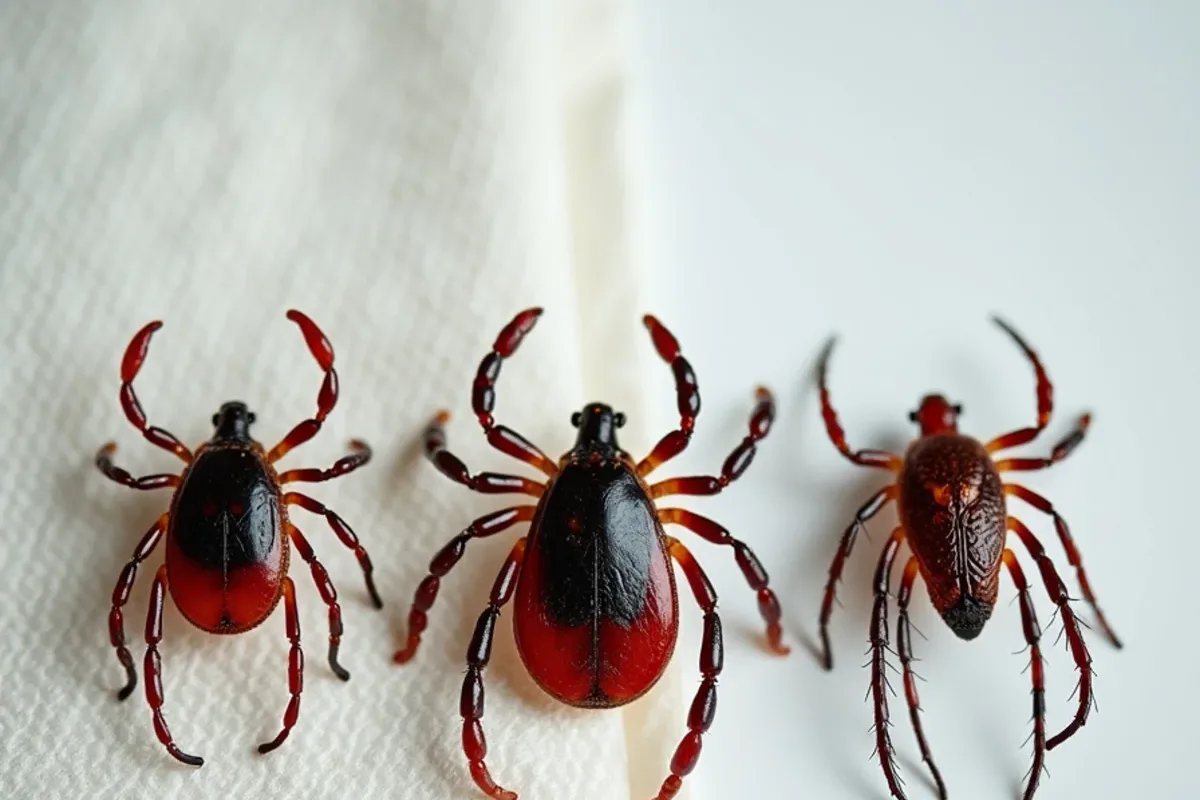
Ticks do not jump or fly. They climb to the tips of grass or leaves and grab onto passing hosts, a behavior called questing. That is why the margin between lawn and woods is the highest-risk zone.
- Check people and pets after time outdoors, including scalp, ears, waistband, behind knees and armpits.
- Remove an attached tick with fine-tipped tweezers, pulling straight up near the skin.
- Keep the tick in a sealed bag or container and note the date, in case symptoms follow.
- Call a healthcare provider if you develop a fever, a rash or unusual fatigue after a bite.
Pets deserve the same attention. Dogs that run the woodline pick up ticks faster than any person does. Run your hands over the ears, neck, belly and between the toes after outings, and talk to a veterinarian about prevention products suited to your pet.
Mosquitoes: it comes down to standing water
Mosquito eggs hatch in water and can develop into biting adults in about a week. That timing is a gift, because dumping water weekly breaks the cycle. The trouble is that most yards hold more water than people realize.
Culex mosquitoes lay eggs in stagnant, nutrient-rich water like clogged gutters and drainage ditches. Aedes species, including the Asian tiger mosquito, breed in small containers and bite during the day. Both are common in Indiana, and Culex can carry West Nile virus.
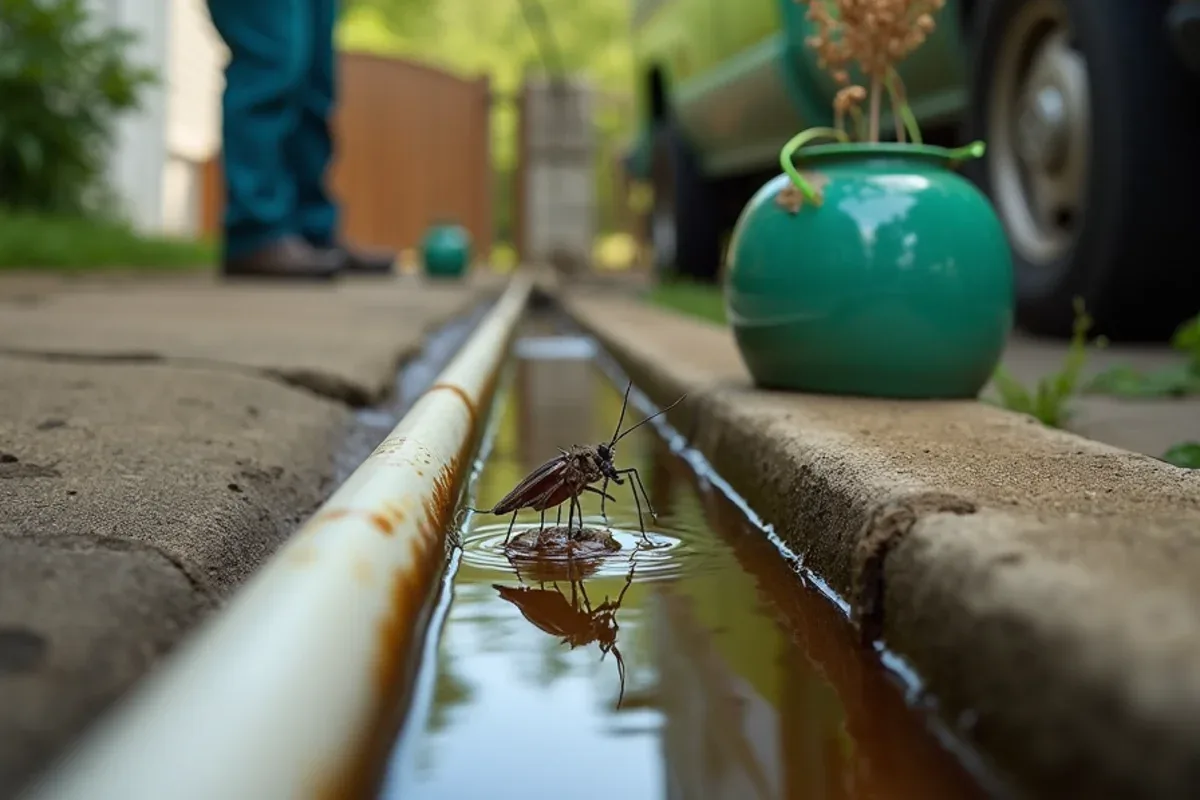
Spraying adults without fixing water is a losing game
A yard spray knocks back adult mosquitoes, but new ones hatch within days if breeding sites are left alone. Treatment works best as a partner to source reduction, not a replacement. If a neighbor's pond or a refuge wetland is the source, you cannot fix everything. The goal is fewer bites, not zero.
A yard prevention checklist for Hayden and Seymour homes
Most of what lowers risk is free. Spend a Saturday morning on these steps in April, then repeat the walk monthly through October. Yards in Seymour with a wooded back lot should treat the first four steps as a priority.
Mow short and often
Keep grass trimmed, especially along the woodline and fence lines. Ticks avoid sun-baked, short turf.
Clear leaf litter and brush
Rake leaves from the edges of the yard and remove brush piles where mice and ticks shelter.
Build a buffer
Place a three-foot strip of wood chips or gravel between lawn and woods. It is a dry, sunny barrier that ticks cross poorly.
Move play areas and seating
Put swing sets, firepits and patios in sun, away from the tree line.
Dump standing water weekly
Empty plant saucers, buckets, tire swings, kiddie pools and birdbaths. Clean the birdbath rather than just refilling it.
Fix gutters and low spots
Clear clogged gutters, regrade ruts, and fill depressions where rain sits for days.
Trim vegetation near the house
Cut back shrubs that touch siding, since mosquitoes rest in shade during the day.
Protect pets
Ask your vet about tick prevention for dogs and cats, and check them after outings.
Do not forget the places you pass through every day. The path to the mailbox, the gap beside the shed and the edge of the garden all touch tall grass. Ticks gather where hosts walk, so a quick trim along those routes does more than mowing the whole acre.

What should you do after a hike or yard work?
Most tick bites go unnoticed, because nymphs are about the size of a poppy seed. A short routine when you come inside catches many of them before they attach. It works just as well after a walk at the refuge as after mowing the back lot.
Do a clothes check at the door
Look over your clothing and gear before you go in. Ticks cling to socks, cuffs and bags and are easiest to spot on light colors.
Run the dryer
Tumble outdoor clothes on high heat for about ten minutes. Dry heat dries ticks out and kills them, while a wash cycle alone often does not.
Shower soon after
A shower within a couple of hours washes off unattached ticks and gives you a chance to check your whole body.
Check the usual hiding spots
Look at the scalp and hairline, behind the ears, the neck, armpits, waistband, groin and behind the knees. Use a mirror or ask a family member.
Check children and pets
Children often pick up ticks on the head and neck. Run your hands over a dog from nose to tail, including ears, between the toes and under the collar.
Remove and note any tick
Use fine-tipped tweezers and pull straight up. Clean the skin, save the tick in a sealed bag, and write down the date and the place.
Know what to watch for
After a bite, watch for a spreading rash, fever, chills, headache or unusual fatigue over the following weeks. If any appear, call a healthcare provider and mention the bite. This is general information, not medical advice.
Light-colored long pants tucked into socks look silly, but they make ticks easy to see and harder to reach skin. Combine them with an EPA-registered repellent used as directed on the label.
When should you add professional treatment?
If you've done the yard work and still get bitten, a barrier treatment is the next step. The same goes if your property backs up to refuge land or wooded wetlands. Our mosquito and tick control service treats the places these pests rest and quest, such as shrub lines, tall grass edges and shaded corners.
Treatment is scheduled across the season, because one application does not cover months of new hatches. Rain, heat and mowing wear it down. Properties throughout Jennings County usually do best with a series of visits from spring through early fall.
A visit also includes advice you can use between treatments. Expect tips on trimming, where to place a woodchip border and which low spots hold water. Treatment is one tool among several, and the yard work you do matters about as much as the product.
Tell the technician where your family spends time, where pets run and whether you keep bees or a vegetable garden. Application is planned around those spots. Same-day visits are often possible before a graduation party or cookout.
Frequently asked questions
Are ticks active in winter in Indiana?
Do I need to treat my whole yard for ticks?
How can I tell what kind of tick bit me?
Does mosquito spraying stop West Nile virus?
Living near a wildlife refuge is a gift, but it brings ticks and mosquitoes with it. Mow, clear brush, dump water and keep play areas in the sun, then add treatment where the pressure is high. For yards in Hayden, Seymour and Jennings County, call Miller's Termite and Pest Control at (321) 496-4080 and we'll build a plan.