
Who pays for pest control in an Indiana rental?
There is no single answer, and this post is general information, not legal advice. The lease is the first place to look. Many leases spell out who handles pests, and a clear clause saves an argument later. A local attorney or housing authority can read your specific situation.
Under Indiana's landlord-tenant statutes, owners are generally expected to deliver a unit that is safe, clean and fit to live in. They must also follow health and housing codes. An infestation that makes a unit unfit often lands on the owner. A tenant who leaves food out, ignores trash or refuses entry may share responsibility.
| Situation | Who usually acts first | Why |
|---|---|---|
| Roaches in a multi-unit building | Landlord | Pests move through walls and plumbing, so one unit cannot fix it alone. |
| Bed bugs found at move-in | Landlord | The problem existed before the tenant arrived. |
| Bed bugs brought in after a trip | Depends on lease | Cause may be tenant-related, but spread to other units affects the owner. |
| Mice in a single-family rental | Landlord, usually | Gaps in the building envelope are a maintenance issue. |
| Ants after a tenant leaves food out | Often the tenant | Sanitation habits are the main driver. |
The cost of waiting
Landlords sometimes hope a pest problem will fade or that the tenant will leave. In practice, bed bugs and roaches spread to neighboring units within weeks. Treating one apartment costs far less than treating a whole fourplex later, and delay is what turns a one-room job into a vacancy and a dispute.
Need it handled now?
Call Miller's at (321) 496-4080 for same-day help in the Hayden area.
Bed bugs in a rental: where the responsibility gets complicated
Bed bugs cause more landlord-tenant friction than any other pest, because nobody wants to be blamed. They travel in luggage, used furniture and clothing. A tenant can pick them up at a hotel, and a landlord can inherit them from a prior renter. Finger-pointing helps neither side.
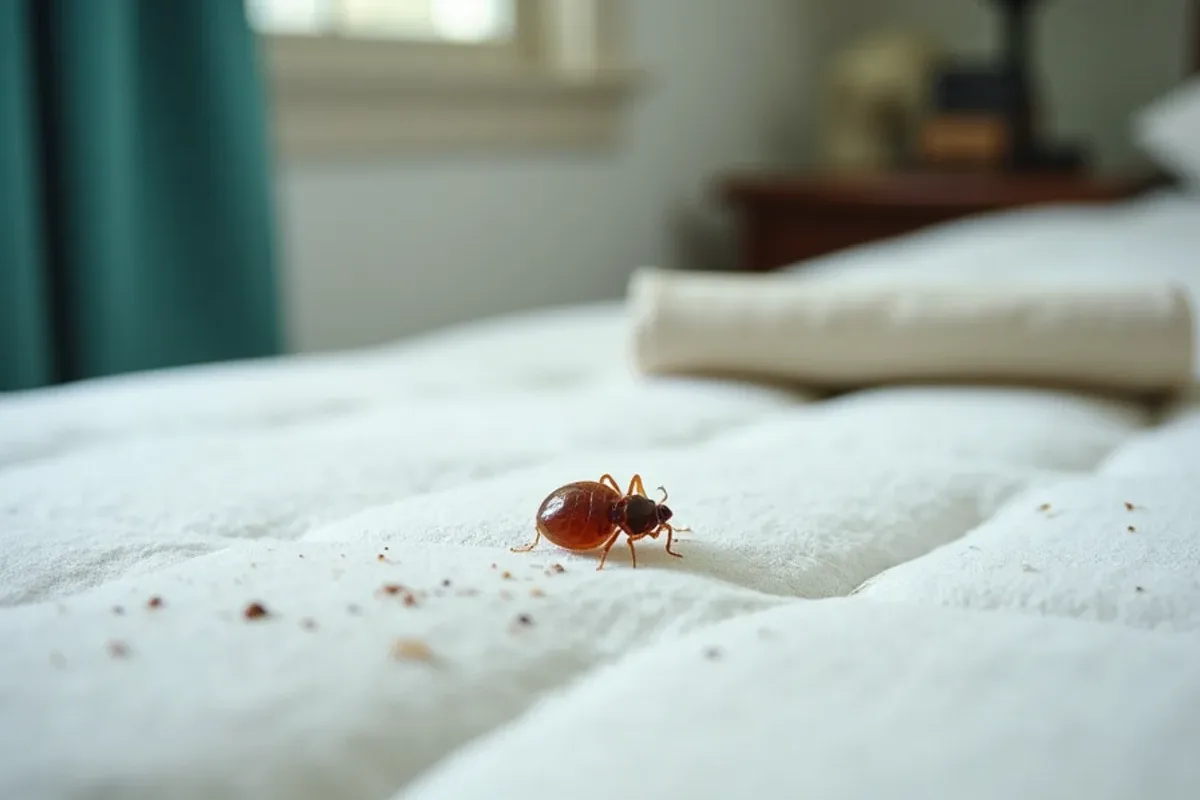
What helps is speed and a confirmed identification. Signs include rusty or dark spots on mattress seams, tiny pale shed skins, and bites in a line or cluster. A professional bed bug treatment starts with an inspection that checks the bed, headboard, couches and baseboards, not just where the tenant says they were bitten.
What about used furniture and move-outs?
Bed bugs often ride in on secondhand couches and mattresses, so ask tenants to tell you before bringing furniture in. At move-out, inspect the bed frame, headboard and couch seams before the next tenant arrives. A short inspection costs far less than a second treatment after a new lease has started.
In older buildings around North Vernon, shared walls and baseboards give bed bugs easy paths between units. Check the units on both sides and above and below, not just the complaining tenant's apartment. Treating one unit and skipping its neighbors is the most common reason infestations return.
Roaches and shared walls in multi-unit buildings
German cockroaches travel along plumbing and wall voids, so one dirty kitchen can feed a whole building. A unit-by-unit approach rarely works. Owners get better results when every unit is inspected and treated on the same visit, with the common areas done at the same time.
This is where a commercial pest control program fits multi-family owners. A recurring service covering all units, laundry rooms and trash areas finds problems early and keeps records if a dispute comes up. Property managers in Seymour, Brownstown and the rest of Jackson County use the same logic: coordinate, document, repeat.
Roach problems also follow patterns inside a building. The units with old cabinets, leaky plumbing or cluttered kitchens tend to be the source. The trash room and laundry area are often the bridge between them. Mark those spots on a simple floor plan so the technician can check them first.
Why do roaches keep coming back after one treatment?
A single visit kills what is present but not the egg cases that hatch later. Follow-up visits in two to three weeks are normal, and baits only work if the tenant keeps the kitchen from offering a better meal. Plan for more than one visit when budgeting.
What do tenants have to do?
Treatment fails when the unit is not ready. A tenant who cooperates makes the visit shorter, cheaper and more effective. A tenant who does not can undo the work in a week. Landlords should put this in plain words, in writing, before the technician arrives.
- Report sightings promptly instead of waiting for a lease inspection.
- Grant entry for scheduled inspections and treatments, following the notice the lease requires.
- Wash and dry bedding and clothes on high heat before a bed bug visit, and bag them until told otherwise.
- Clear floors and the area under beds and sinks so the technician can reach the targets.
- Keep food in sealed containers and take trash out regularly.
- Avoid store-bought foggers, which scatter roaches and bed bugs into walls instead of killing them.
A practical response plan for landlords
A repeatable process protects you if a complaint turns into a conflict. It also keeps tenants from feeling blamed, which is the fastest route to cooperation. Here is a plan that works for small landlords with a few doors and for larger owners with a building.
Get the report in writing
Ask the tenant to describe what they saw and when. A dated email or text is enough, and it sets the clock.
Inspect quickly
Schedule a professional inspection within days, not weeks. Same-day help is often available around Hayden and Jennings County when a building has a serious outbreak.
Identify the pest
Treatment for roaches, bed bugs and ants is completely different. A wrong guess costs time and money.
Check neighboring units
Inspect units that share a wall, floor or ceiling, and note any with signs of activity.
Treat and give prep instructions
Share written prep steps with every affected tenant, and schedule the visit around their availability when possible.
Follow up and document
Confirm the follow-up visit, keep service reports in the unit file, and note any lease terms that were breached.
Keep a simple file for each unit with the date of the complaint, the inspection findings, the treatments and the follow-ups. If a tenant later disputes a charge or a deposit deduction, those pages show what happened and when.

Put your pest policy in the lease or a move-in sheet, and keep it short. State who to call, how quickly you will respond and what you expect from the tenant. Tenants who know the process report sooner, and early reports are the cheapest ones to fix.
Preventive service helps too. A residential pest control schedule on a single-family rental keeps minor problems from turning into move-out repairs. It also gives you records that show you acted promptly.
Frequently asked questions
Is a landlord responsible for bed bugs in Indiana?
Can a landlord charge a tenant for pest control?
How fast should a landlord respond to a pest complaint?
What if the tenant will not let the technician in?
Rental pest problems are easier when the owner, the tenant and the technician all know their part. Read your lease, respond quickly, and treat the whole building when it is shared. If you manage rentals in Jennings or Jackson County, call Miller's Termite and Pest Control at (321) 496-4080 to set up an inspection.