
Why do 1800s homes attract so many pests?
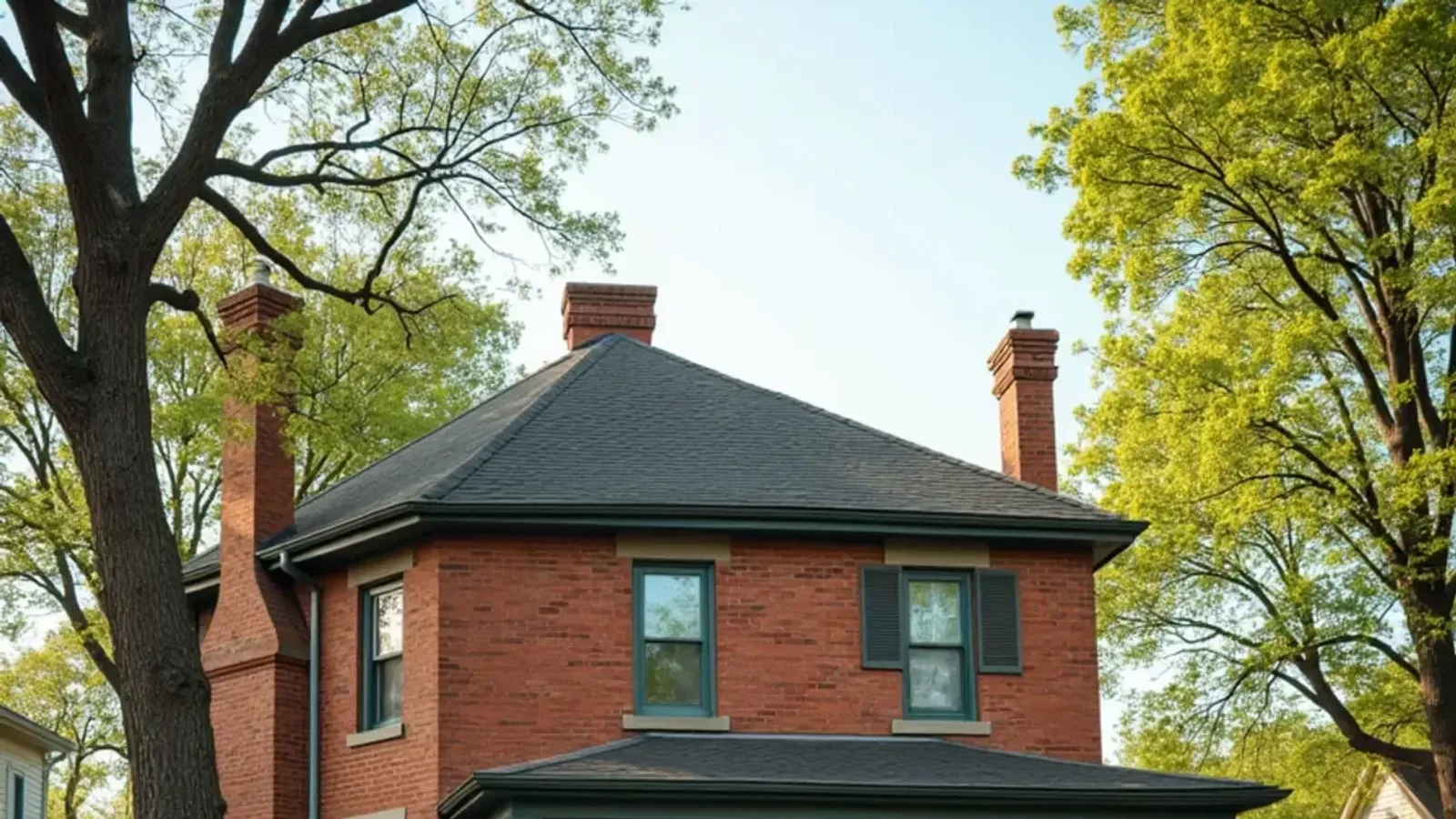
A house built in the 1800s was made from local limestone, hand-hewn timber and lime mortar. It was not built with vapor barriers, sealed sheathing or tight modern joints. Those materials are beautiful and durable, but they are porous and often damp, and pests notice.
In river towns like Vernon, Madison and Aurora, the age of the housing stock is part of the appeal. Brick townhouses, stone cellars and original wood floors are exactly what visitors come to see. They are also what termites, carpenter ants and silverfish are looking for.
Over 150 years, a house settles, gets additions and collects patched gaps. Plumbing and wiring were added later and left holes in floors and walls. Each change is a possible pest route, which makes a full picture of the structure important before any treatment.
How the three river towns differ
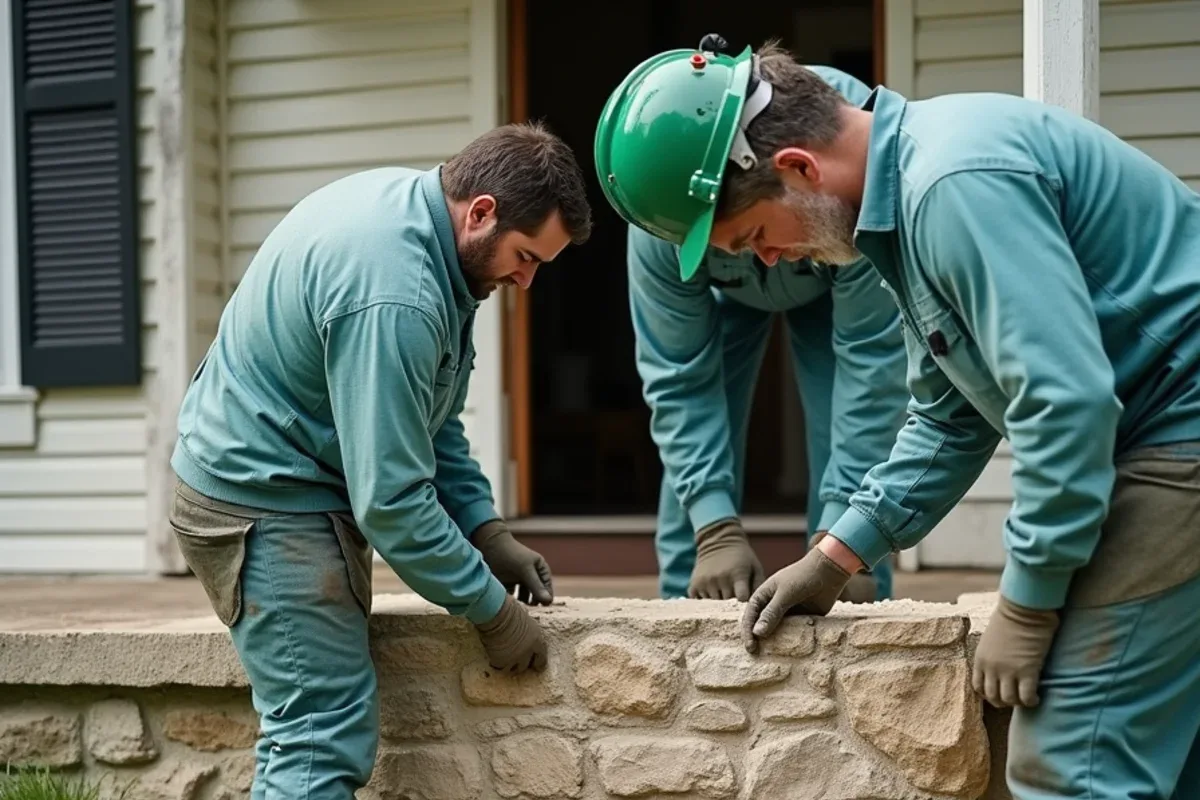
Vernon is a small county seat with frame and brick homes on modest lots, many near creek drainage. Madison is a river city whose downtown historic district holds hundreds of historic buildings, and steep hillsides push water toward cellars. Aurora's hillside streets above the Ohio River have similar drainage challenges.
The common thread is water and wood. Hillside homes collect runoff against uphill walls, and old stone cellars hold that moisture. Knowing which wall takes the water tells a technician where to look first.
Need it handled now?
Call Miller's at (321) 496-4080 for same-day help in the Hayden area.
Termites in old timber and stone foundations
Subterranean termites are the main structural threat to older homes in the Ohio River valley and the hills around it. Their colonies live in the soil and reach wood through cracks, mud tubes and gaps in stone or brick. A rubble foundation has many joints where termites can pass unnoticed.
Original timbers are often large, and that can hide damage for years. A beam may look sound from below while termites have eaten it from the inside. Probing with a screwdriver, tapping for a hollow sound, and checking where timber meets stone are standard parts of a careful inspection.
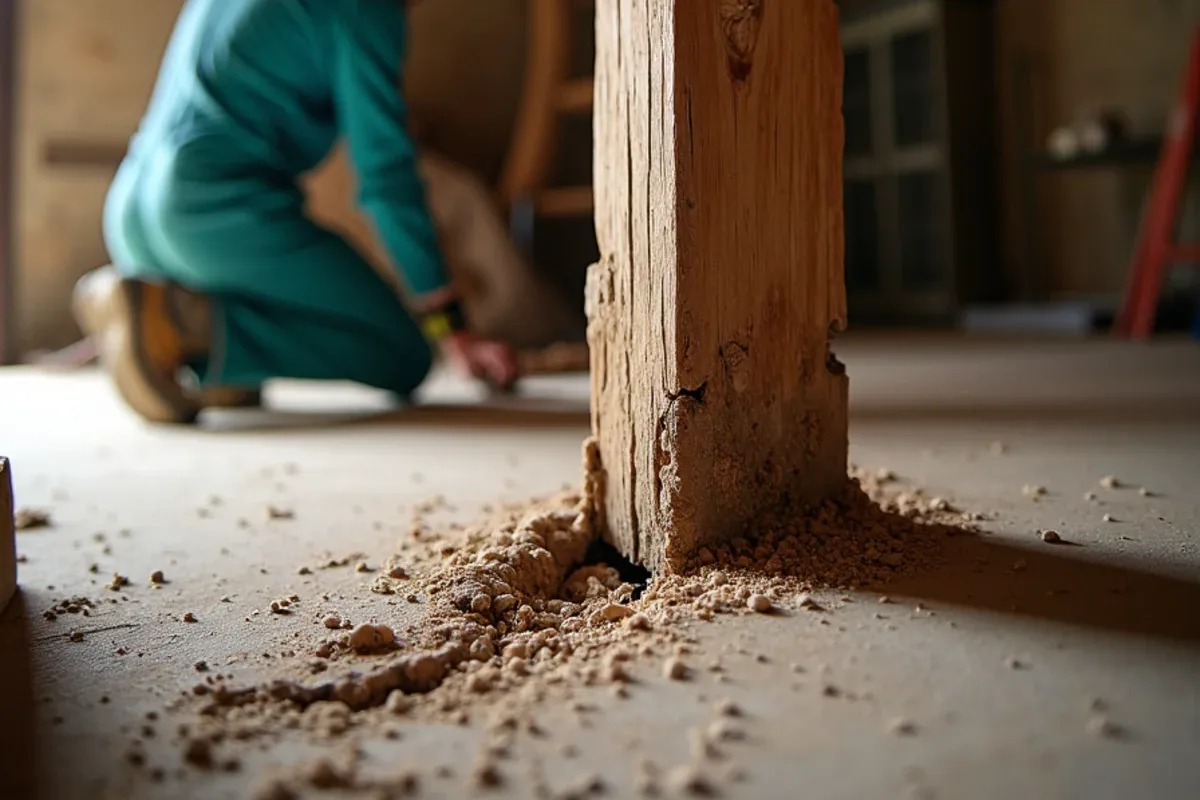
Homes in Vernon and the old downtown blocks of Madison often have crawlspaces or cellars with dirt floors. That keeps damp soil close to the framing. Our termite control work for older structures begins with a full inspection of the sills and floor system before any product goes on.
- Mud tubes on stone or brick foundation walls and cellar piers.
- Soft, crumbling or layered wood at sills, joists and the base of posts.
- Swarmers or shed wings near cellar windows in spring.
- Stained plaster or bubbling paint on lower walls.
- Wood in contact with soil at porch posts, steps and additions.
Damp cellars and the pests that follow moisture
Wet cellars breed pests beyond termites. Silverfish eat the starch in paper, wallpaper paste and books. Camel crickets and sowbugs thrive in damp, dark spaces. Mice and rats move in through stone gaps. And fungus softening the wood makes a better meal for carpenter ants.
Moisture is the center of the problem, and it is usually fixable without harming the house. Get water away from the foundation first. Extend downspouts, fix cracked gutters, regrade soil so it slopes away, and repair old downspout connections that dump at the wall.
Do not seal an old cellar like a new one
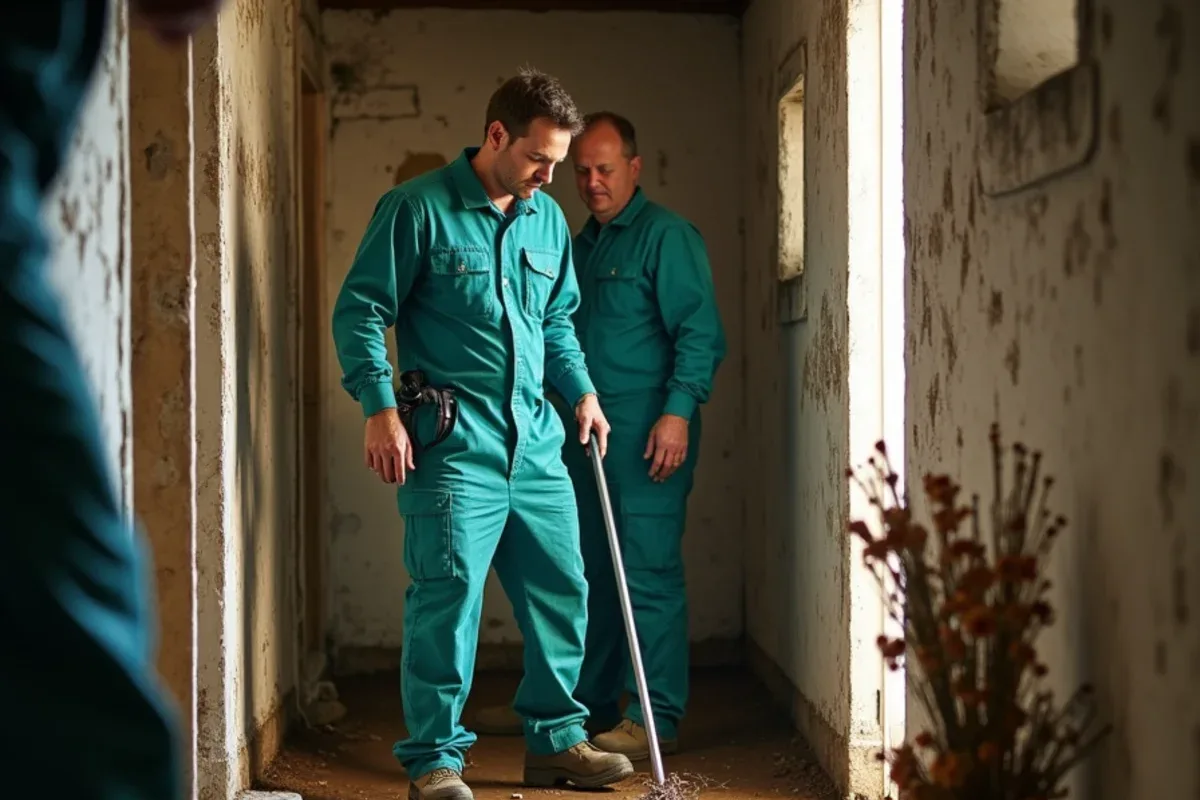
Modern advice says to seal everything tight. In a lime-mortar and stone cellar, trapping moisture can speed up decay by keeping water in the walls instead of letting it evaporate. Moisture control in old buildings means drainage, ventilation and dehumidification, not a coat of sealant on historic masonry. Check with a preservation specialist before changing the way a cellar breathes.
A residential pest control plan for an older house usually covers the cellar, attic and kitchen. It leans on baits and monitors for silverfish, roaches and rodents. Dehumidifiers and good airflow do much of the quiet work in between.
How do you treat an old house without harming its materials?
Historic fabric is irreplaceable, so the goal is to protect it, not just clear the pests. That means choosing methods that limit drilling, avoid staining and fit how the building was made. Good practice looks like this:
Inspect before deciding
Walk the entire structure, including cellar, attic and porch, and note where wood meets stone, soil or moisture.
Map the moisture
Find leaking gutters, grade problems and plumbing drips. Fixing water often removes half the pest appeal.
Prefer targeted work
Choose treatments placed at the soil line and known entry points rather than broad drilling through decorative masonry or original floors.
Consider baits where drilling is a concern
Bait stations can monitor and reduce termite activity without trenching beside delicate foundations or landscaping.
Protect finishes
Cover original floors, plaster and trim during work, and ask the technician to avoid drilling into carved or decorative surfaces.
Monitor yearly
Re-inspect each year. Old houses move and change, and a yearly look catches new activity early.
Before the visit, gather what you know about the house. Technicians work faster and more carefully when they have the history in hand.
- Past termite or ant treatments, repairs or inspection reports.
- Areas with known leaks, standing water or recurring dampness.
- Original finishes, such as plaster, painted woodwork or stenciling, that need protection.
- Any historic-district rules that limit work on the exterior.
- Rooms that are closed up or hard to reach, such as cellars, crawlspaces and attics.

Owners in Aurora and other historic districts should also check local review rules. Some districts require approval before exterior changes, so mention the requirements when you schedule an inspection.
Carpenter ants and powderpost beetles
Two other wood-destroying insects deserve a look in old buildings. Carpenter ants nest in wood softened by leaks, often near chimneys, roof valleys and porch roofs. Powderpost beetles leave tiny round exit holes and fine, flour-like dust in seasoned hardwood floors and beams. Both usually point back to moisture or old infestations, and identification decides the treatment.
A note on bats and other wildlife in old buildings
Old attics, chimneys and church-style rooflines also attract bats. Bats are protected in Indiana, and several species are endangered, so removal is regulated and seasonal. Do not seal a colony inside or try to evict them on your own.
Miller's is a termite and pest company. We do not offer bat exclusion or wildlife removal, and we will not claim otherwise. If you suspect bats, contact a wildlife professional or the Indiana Department of Natural Resources for current guidance. Call us for the termite, ant, rodent and insect side of the house.
Meanwhile, you can help without touching the animals. Keep notes on when you hear or see activity. Avoid sealing any opening you think bats use. Mention it to your pest technician so treatment is planned around it. Old roofs and chimneys have many openings, and mice or insects often share the same routes bats do.
Frequently asked questions
Are termites common in historic Indiana homes?
Will pest treatment damage original wood or masonry?
What pests live in damp old cellars?
Can you remove bats from my historic home?
An old house is worth protecting, and it deserves care that fits it. Start with moisture, inspect carefully and choose targeted treatments. If you own a historic home in Vernon, Madison, Aurora or anywhere nearby, call Miller's Termite and Pest Control at (321) 496-4080 to schedule an inspection.