
Why do store-bought sprays make German cockroaches worse?
You see one in the kitchen, grab a can of spray, and kill a few. A week later there are more. That pattern is common, and it comes down to how German cockroaches live.
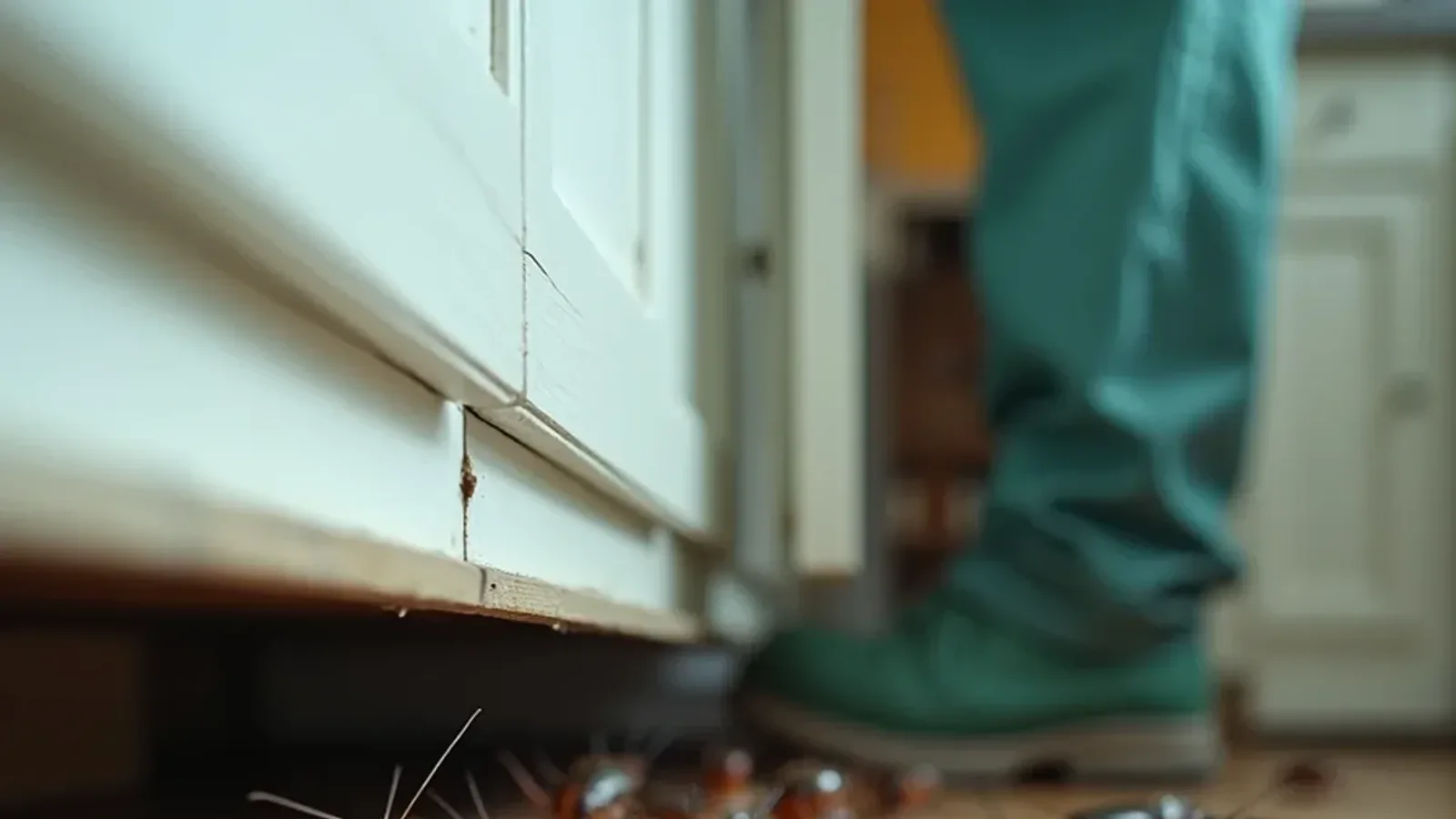
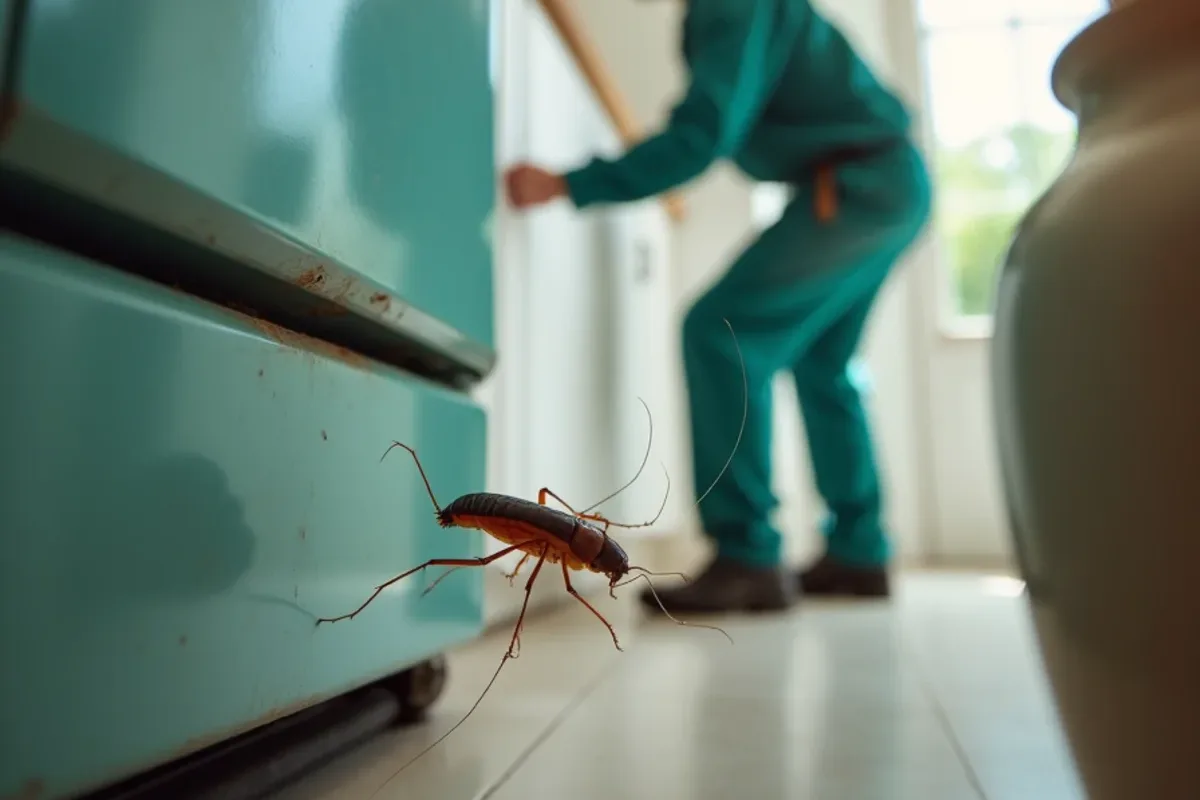
German cockroaches spend most of their time hidden in tight, warm cracks behind appliances, inside cabinet hinges and under sinks. The roaches you see in the open are a small fraction of the population. A spray hits the few you can reach and does little to the rest.
Many consumer sprays are repellent. Roaches walk through a treated area, detect it and move away, often deeper into walls or into the next apartment. That scattering spreads the infestation. Some populations have also developed resistance to common active ingredients, so the survivors breed more resistant offspring.
Why foggers are the worst choice
Bug bombs release a mist that does not reach the cracks where roaches hide. It does drive them out of hiding and into new areas, which makes the problem look worse and spread further. They also leave residue on kitchen surfaces. For German cockroaches, foggers are among the most counterproductive tools you can buy.
Need it handled now?
Call Miller's at (321) 496-4080 for same-day help in the Hayden area.
How do you know it is a German cockroach?
Correct identification changes the treatment. German cockroaches are small, usually about half an inch, tan to light brown, with two dark parallel stripes behind the head. They are fast, and they prefer kitchens and bathrooms.
- Small, tan roaches, often in groups, especially at night when you turn on a light.
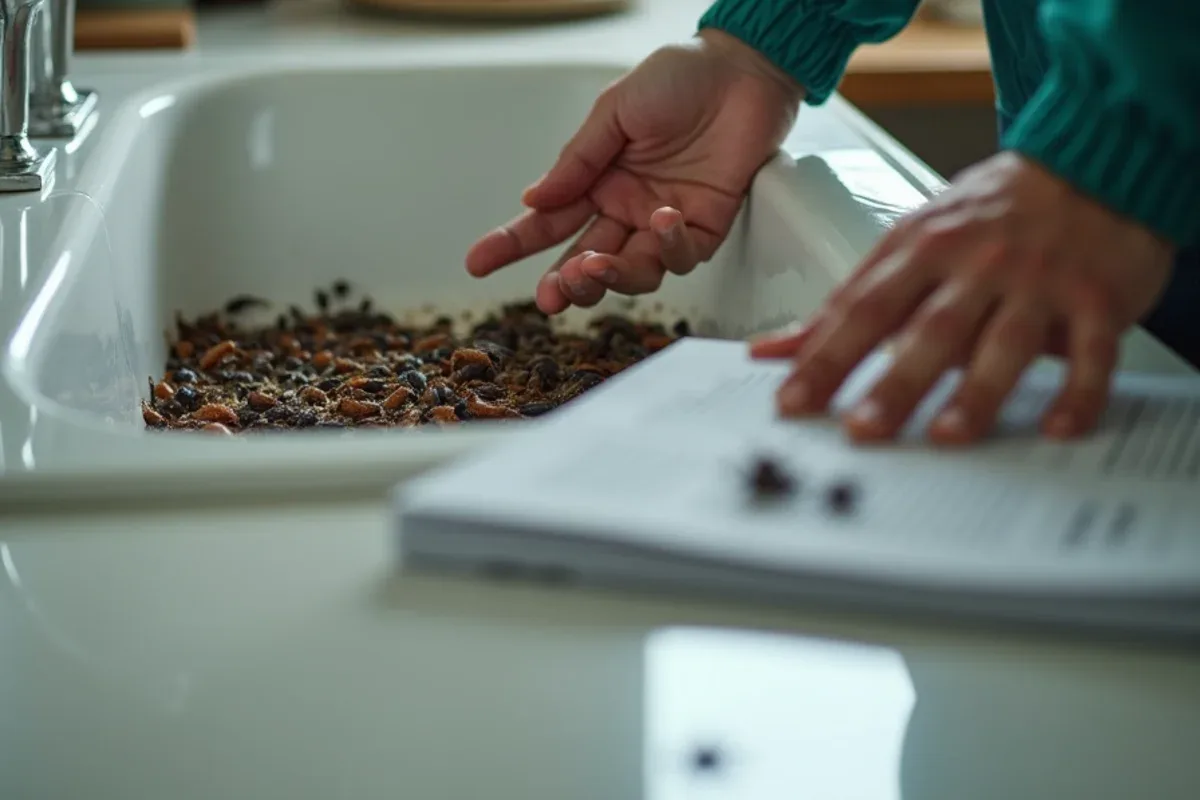
- Dark specks like ground pepper or smears on cabinet corners and appliance edges.
- A musty, oily odor in heavily infested areas.
- Egg cases, which the female carries until just before the eggs hatch.
- Roaches active in the daytime, which usually means the population is crowded.
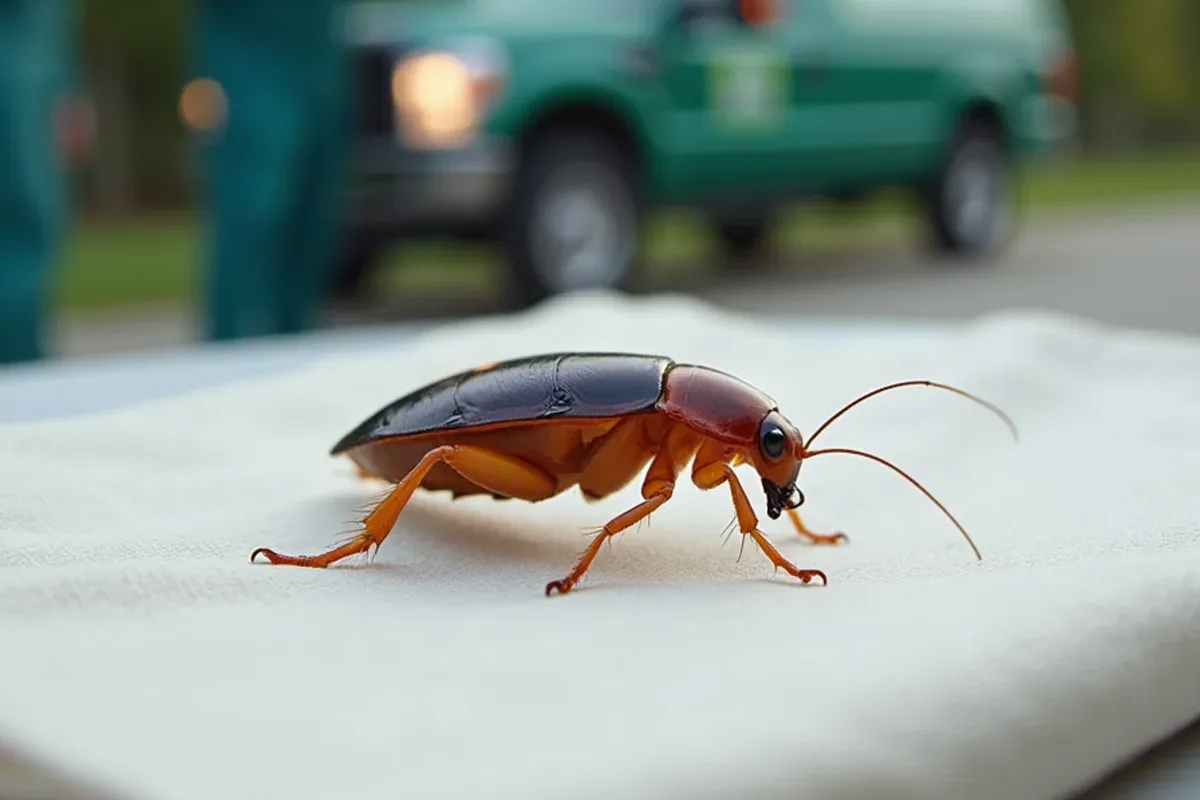
Do not confuse them with larger outdoor roaches such as American or Oriental cockroaches. Those enter from drains, basements and crawl spaces, and they need a different approach. A German roach indoors almost always points to a food and moisture source inside the building. It usually arrives in grocery bags, cardboard boxes or used appliances.
What actually works against German cockroaches?
Professionals rely on baiting, not blanket spraying. The idea is to let roaches carry the control back to the colony, where they feed it to each other and to the nymphs.
Inspect and map the problem
The technician checks kitchens, bathrooms, laundry areas and appliances with a flashlight and sticky monitors to find where roaches live.
Place gel bait in cracks and crevices
Small dots of gel go into hinges, drawer slides, corners and behind appliances. Roaches eat the bait and spread it through the colony.
Avoid contaminating the baits
Spraying repellent over baits makes roaches avoid them. A professional chooses products that work together instead of canceling each other out.
Add a growth regulator where it fits
An insect growth regulator keeps nymphs from maturing into breeding adults and breaks the cycle.
Monitor and re-bait
Sticky traps show where roaches remain. Bait is refreshed in those spots until the traps stay clean.
Fix the conditions
Moisture, food residue and clutter keep populations going. The plan includes a short list of changes you can make.
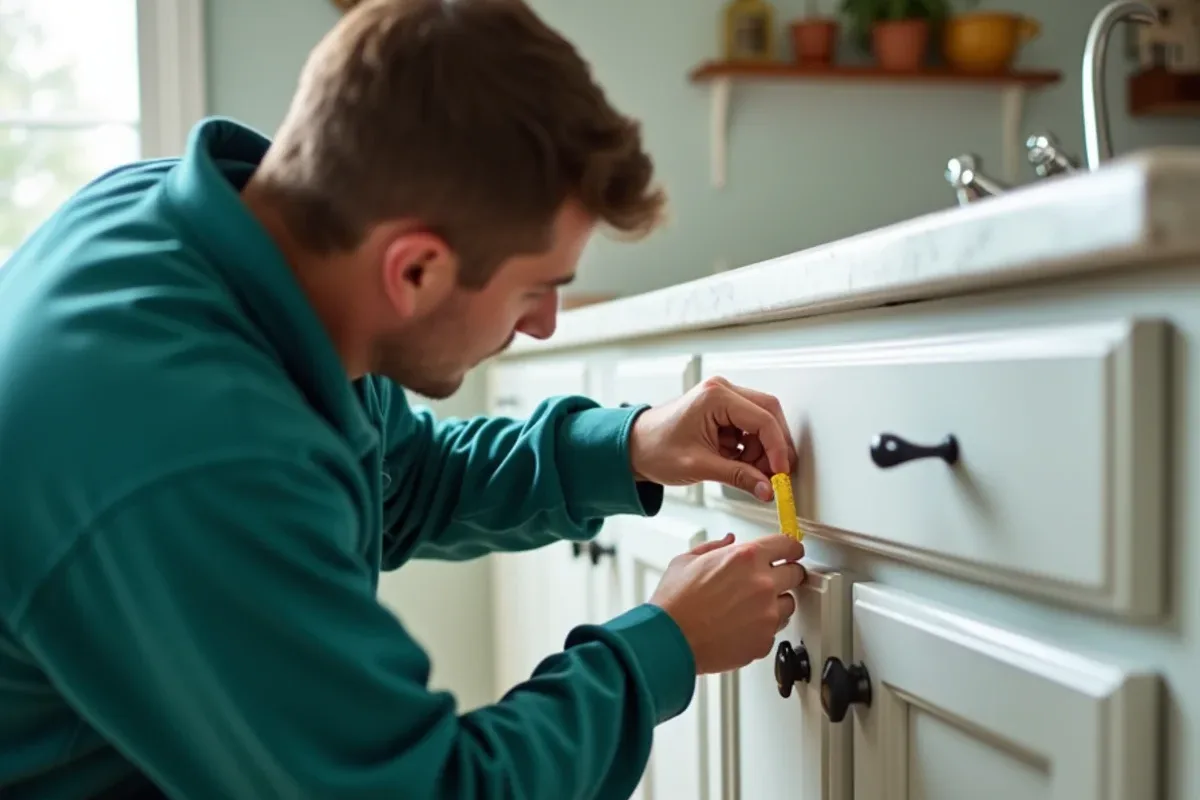
That is the core of our cockroach control service. The work is slow and careful, which is why one spray can never do it.
Where do German cockroaches hide in a typical home?
They go where it is warm, dark and close to water. The kitchen is the hub, but a heavy population spreads to every room with a plumbing line. Knowing the hotspots helps you understand why a surface spray cannot reach them.
- Behind and under the refrigerator, where the motor keeps the area warm.
- Inside the stove, dishwasher and microwave cabinets, and under the sink.
- Cabinet hinges, drawer tracks and the gap where counters meet the wall.
- Bathroom vanities, around toilet supply lines and behind medicine cabinets.
- Small appliances such as toasters and coffee makers, where crumbs collect.
- Cardboard boxes, paper bags and stacks of newspaper stored near the kitchen.
A trade-off with baiting
Gel baiting is slower than a spray that kills on contact, and the first week can feel like nothing is happening. You may even see more roaches as they come out to feed. That is the bait working. Cutting the process short with a spray resets the clock and can make the bait useless.
What can you do to help treatment work?
Baits only work when roaches prefer them to your leftovers. Sanitation shifts the competition in the bait's favor. You do not need a spotless house, but you do need to remove easy meals and drinks.
- Wash dishes and wipe counters nightly. Do not leave dishes in the sink overnight.
- Store food in sealed containers, including pet food and cereal.
- Empty trash daily and take it outdoors. Use bins with lids.
- Fix leaking faucets and drain traps. Roaches need water more than food.
- Clean grease off the stove, range hood and behind the refrigerator.
- Break down cardboard boxes and recycle them, since roaches hide in the corrugations.
- Clear the area under the sink and the cabinet interiors before the visit.
Avoid spraying store products on or near the treated areas. Residual sprays and baits clash, and the roaches may refuse the bait. If you have already sprayed, tell the technician what you used and where.
Why do German cockroaches keep coming back?
A treated kitchen can look clean for a few weeks and then show roaches again. When that happens, one of a handful of causes is usually at work. Finding it matters more than repeating the same treatment.
- Surviving egg cases: a female carries the case until just before hatching, and some cases survive the first round of bait.
- Repellent products in the mix: store sprays near baits teach roaches to avoid the very spots where bait sits.
- Constant water: a slow drip under the sink or a damp dishwasher pan lets roaches live without eating much at all.
- Re-introduction: new groceries, boxes, used appliances or visitors' bags bring fresh roaches in.
- Shared walls and plumbing: an untreated neighboring unit keeps sending roaches through chases and wall gaps.
- Skipped follow-ups: stopping after one visit leaves the next generation of nymphs to grow up.
The fix is a short, honest review. We look at the sticky monitors, ask what has changed in the kitchen, and check for new moisture. Then we adjust bait placement and the cleaning checklist instead of simply adding more product.
A quick prevention habit
Unpack groceries and delivery boxes in a hallway or garage when you can. Break down cardboard before it enters the kitchen, and wipe the tops of cans and bottles that sat in storage. It takes a minute and blocks the most common way German cockroaches arrive.
How long does it take, and why are follow-ups needed?
A bad infestation does not clear in one visit. German cockroach females carry an egg case with dozens of eggs, and nymphs hatch in waves. Bait catches the adults first. The next generation arrives a few weeks later and needs a second round.
Expect follow-up visits over several weeks, with sticky monitors read at each stop. Heavily infested kitchens may take longer. If activity stops showing up on the monitors, the plan has worked.
Resist the urge to judge progress by sightings alone. Seeing a roach a few days after the first visit is normal, because bait takes time to travel through the colony. The monitor count is the honest measure. A steady drop from visit to visit means the plan is on track.
Apartments and multifamily buildings add another wrinkle. Roaches move through walls and plumbing, so one clean unit next to an infested one will see them return. Neighbors should be treated together, or the problem bounces around the building. Older rentals in Seymour and duplexes in small towns like Austin are typical examples.
Restaurants, bakeries and shops need the same method with stricter sanitation. Our commercial pest control service builds a schedule around the kitchen's cleaning routine.
Frequently asked questions
Why do I see more roaches after spraying?
Can I get rid of German cockroaches myself?
How long until the roaches are gone?
Where do German cockroaches come from?
German cockroaches are a systems problem. Baiting, sanitation and patient follow-up beat any can of spray. If the store options have failed and the roaches keep coming back, call Miller's at (321) 496-4080. We will build a plan that fits your home or business.