

Where do brown recluse spiders hide in older homes?
Southern Indiana sits at the northern edge of the brown recluse's range. The species is known from the Ohio River valley counties and the limestone hills of the south-central part of the state. Homes around Bedford and Salem offer the dry crevices and steady temperatures these spiders like.
Recluses are shy and spend their days hidden. They are not aggressive and do not hunt people. Bites usually happen when a spider is pressed against skin, such as in a shoe, a towel or bedding that has been sitting undisturbed.
In older homes, there are many spots where a spider can live undisturbed for years. Their favorites share a few features: dry, dark, cluttered and rarely moved.
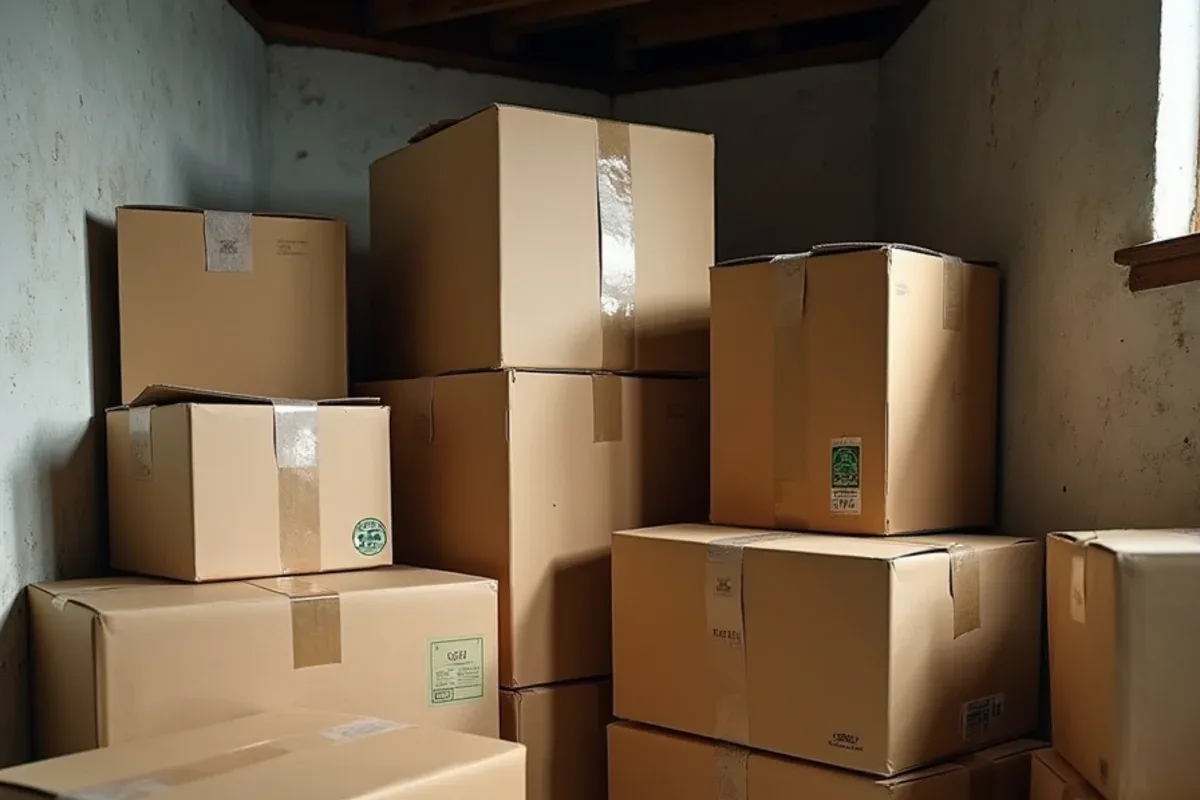
- Cardboard boxes in basements, attics, garages and closets.
- Behind baseboards, in wall voids and under loose trim.
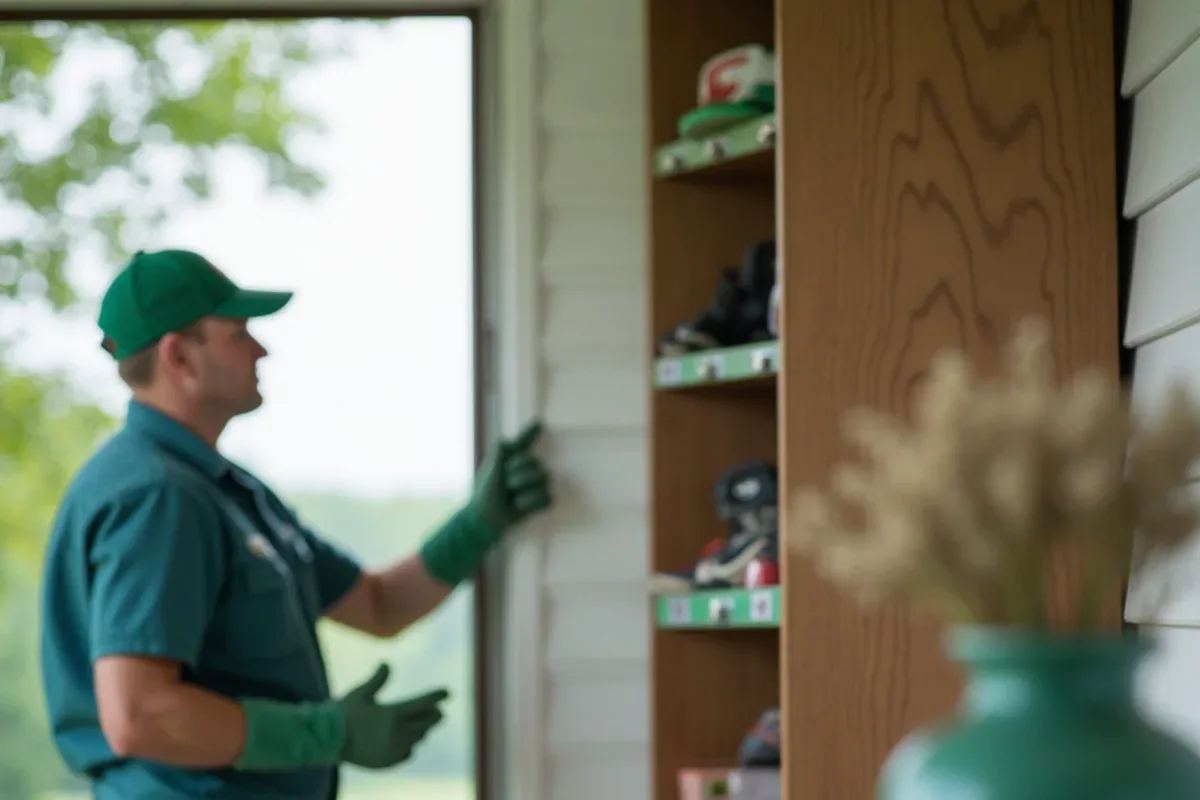
- Inside shoes, boots and work gloves left on the floor.
- Folded clothes and linens in storage, especially in unused rooms.
- Behind furniture, picture frames and in stacked magazines.
- Utility rooms, crawlspaces and the gaps around pipes.
Why limestone country matters
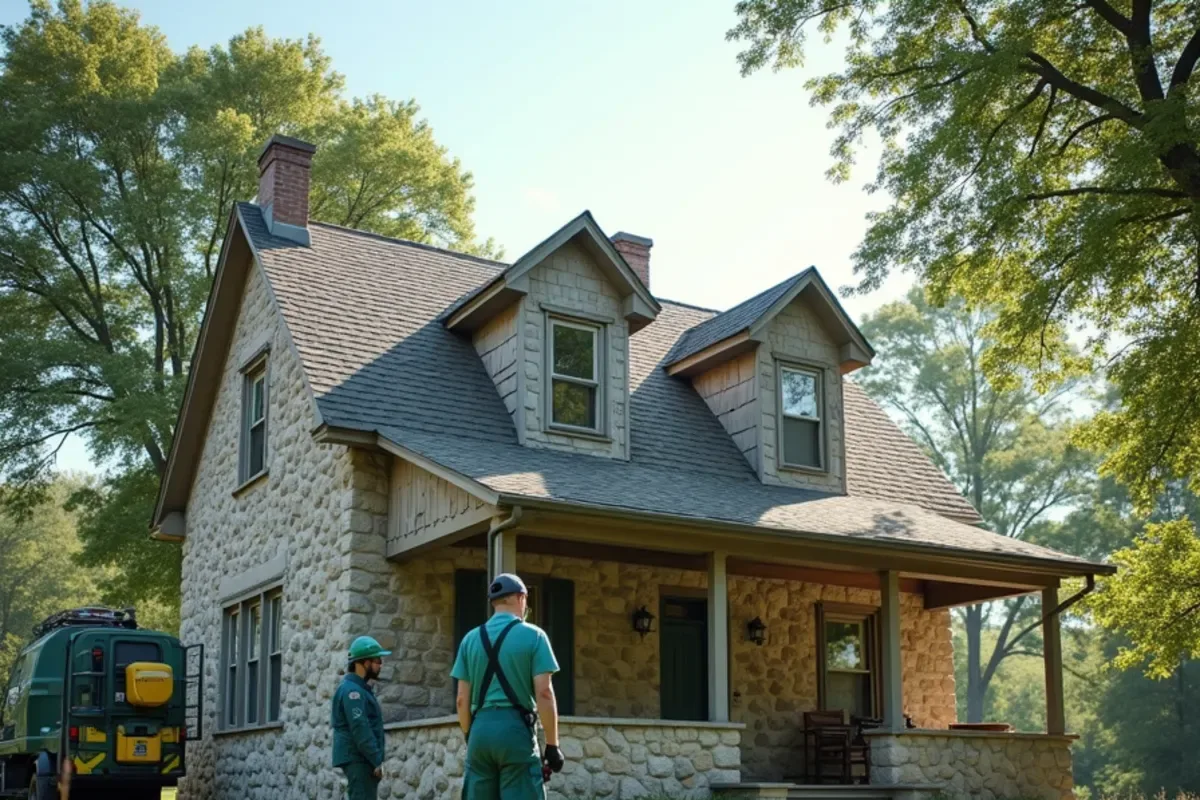
Lawrence and Washington counties are built on limestone, and many older homes there sit on stone or rubble foundations with unfinished basements. Rock walls, crawlspaces and old coal rooms hold steady, dry air in winter and summer. A recluse can live its whole life in one stack of boxes and never be seen.
Brown recluses also tolerate long gaps between meals, sometimes months. That is why a house can be quiet for years and then produce several spiders after a cleanout. Moving old boxes or opening a long-closed room is when people tend to meet them.
Need it handled now?
Call Miller's at (321) 496-4080 for same-day help in the Hayden area.
How do you tell a brown recluse from other spiders?
Many harmless spiders get mistaken for recluses, and the mistake leads to alarm and wasted effort. Do not rely on color alone. Look at the eyes, the legs and the body together.
| Feature | Brown recluse | Common look-alikes |
|---|---|---|
| Eyes | Six eyes in three pairs | Most spiders have eight eyes |
| Marking | Violin shape on the front body section, neck pointing toward the abdomen | Many have stripes, spots or bands |
| Legs | Plain, uniform color, no spines or bands | Wolf and grass spiders often have banded or spiny legs |
| Abdomen | Solid tan to dark brown, no pattern | Patterns of stripes or chevrons are common |
| Size | Body about the size of a dime or less, legs larger | Varies widely |

The violin can be faint, especially on young spiders. The eye arrangement is the most reliable feature, but you need a magnifier. If you are not sure, trap the spider in a jar and have it identified by a professional or your county extension office before treating.
How can you reduce brown recluse spiders safely?
Spiders follow food and shelter. A recluse needs small insects to eat and a quiet corner to hide in. Cut both and numbers drop. This is a long job, and homes with a lot of clutter may take months to turn around.
Declutter storage spaces
Go through basements, closets and the garage. Throw away boxes and papers you do not need, and keep what you keep off the floor.
Switch to sealed plastic bins
Move clothing, linens and seasonal items into plastic containers with tight lids. Cardboard is a perfect hideout.
Move furniture and beds from the wall
Pull the bed a few inches from the wall, keep bed skirts off the floor and avoid storing items under the bed.
Shake out shoes and clothes
Check boots, work gloves and clothing left on the floor before putting them on, and shake out towels and bedding in storage.
Seal cracks and gaps
Caulk baseboards, trim and pipe gaps, and add door sweeps. Keeping insects out removes the spiders' food.
Place glue monitors
Set sticky traps along baseboards, in corners and behind stored items. They show where spiders travel and how many you have.
Vacuum often
Vacuum corners, edges and crevices, and dispose of the bag outdoors. This removes spiders, egg sacs and prey.
Myths that waste time
- A spider on the ceiling is not a recluse; they stay low and hug walls and floors.
- Seeing a web does not mean recluses are present. They make small, messy retreats, not tidy orb webs.
- One spider does not mean an infestation, but several in a month can.
- Moving to a new house does not guarantee safety; they travel in boxes and furniture.
Ask neighbors and friends what they have found, and treat the answer as a clue. In homes where one recluse has appeared, others are often present in the same storage areas. Do your searching with gloves and a flashlight, and move slowly.
Why glue traps beat spraying for diagnosis
Store-bought sprays kill what they touch, but recluses hide in places a spray rarely reaches. Glue monitors work differently. They give you a count and a map. If you catch one or two in a month, you may just need to declutter. If you catch a dozen, you have a real population and need a stronger plan. The traps tell you which problem you have before you spend money treating it.
What should you know about bites and cautions?
Brown recluse bites are uncommon, and most spider bites turn out to be something else, such as bacterial infections or other insect bites. Do not assume. Medical professionals are the ones who can tell.
A bite may be painless at first. In a minority of cases, it can develop into a blister or an open sore over days, with a ring around it. Pain, spreading redness or fever means it is time to get seen.
- Clean the area with soap and water and apply a cool compress.
- Keep the bite elevated and avoid squeezing or cutting it.
- If you can safely catch the spider, bring it in a sealed container.
- Seek medical care promptly for a spreading wound, severe pain, fever or a bite on a child.
- Call poison control or emergency services in an emergency.
We are pest controllers, not medical providers, and this is general information only. If you are worried about a bite, a doctor is the right call.
When should you call a professional?
Call if you have found more than one spider, if glue monitors keep catching them, or if heavy clutter is more than you can clear alone. A technician can confirm the species, find the hiding places and treat the right spots. Our residential pest control service handles the inspection and targeted treatment of cracks, baseboards and storage areas.
After the first round, preventative pest control keeps the insect food supply down, which is the long-term way to keep spiders low. Homes in Bedford and Salem with stone foundations and older basements are the ones that benefit most from a repeat schedule.
A visit usually starts with a flashlight inspection of baseboards, storage rooms, window wells and utility gaps. The technician places monitors, applies treatment to cracks and voids, and tells you which storage habits to change first. A follow-up visit a few weeks later shows whether the monitors are quiet.
We serve Jennings County and nearby areas out of Hayden, and same-day help may be available for active infestations. For homes farther south, call and we will talk through what is practical.
Frequently asked questions
Are brown recluse spiders really in Indiana?
How do I know if a bite is from a brown recluse?
Will a bug bomb kill brown recluse spiders?
What attracts brown recluses to a house?
Brown recluse spiders are shy, but older limestone-country homes give them plenty of places to hide. Declutter, switch to plastic storage, monitor with glue traps and see a doctor for any suspicious bite. If you want help, call Miller's Termite and Pest Control at (321) 496-4080 and we'll talk through the next step.